
2026 Nobel Prize in Medicine awarded for optogenetics
XORit Editorial · Sources, AI assistance and corrections
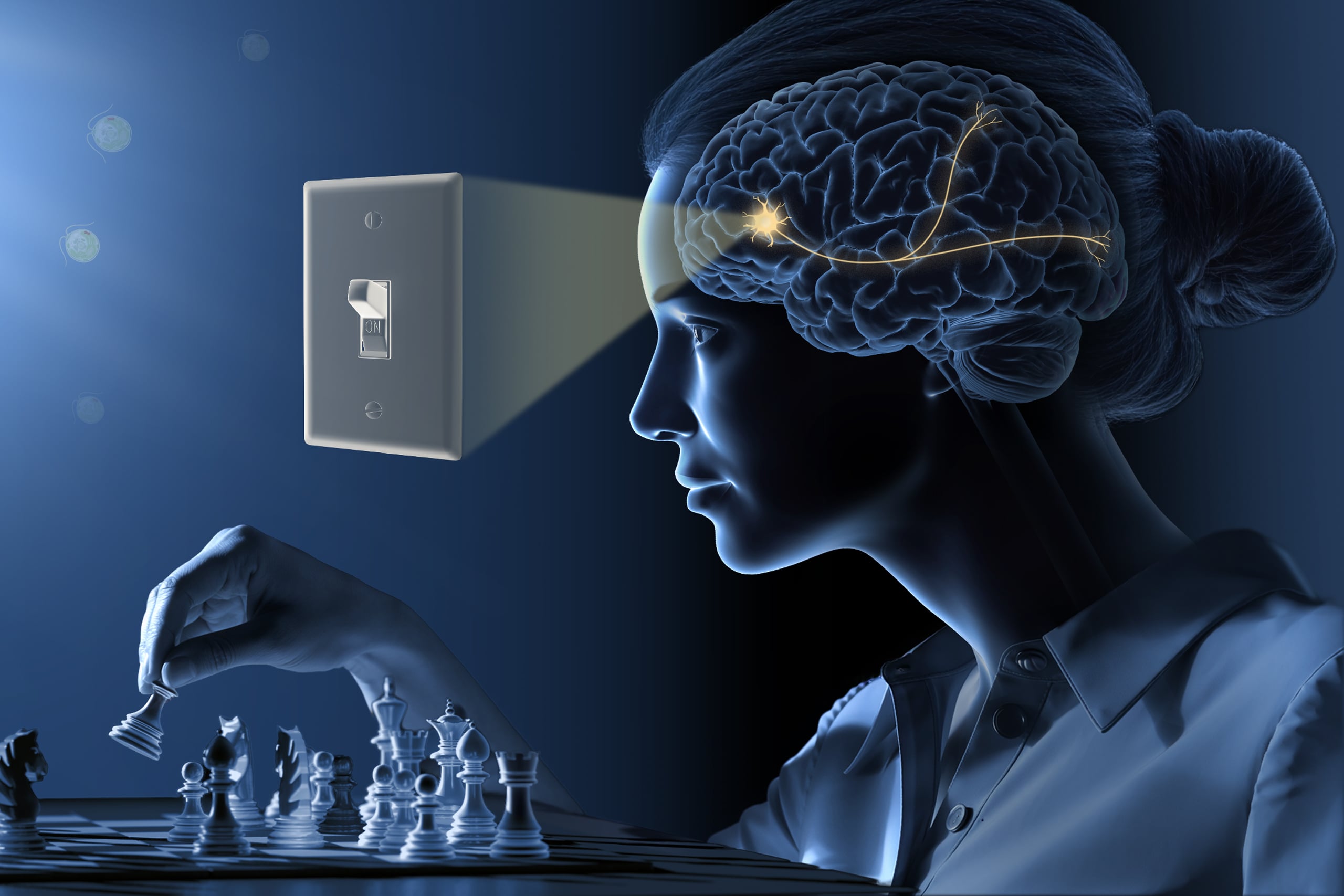
On 5 October, the Nobel Assembly at Karolinska Institutet announced the recipients of the 2026 Nobel Prize in Physiology or Medicine: Karl Deisseroth, Peter Hegemann and Georg Nagel. The award recognises their discoveries concerning light-gated ion channels and optogenetics.
How light became a neuroscience tool
The story began with the single-celled alga Chlamydomonas. Hegemann and Nagel investigated how it responds to light and discovered channelrhodopsin. Blue light opens a channel through this protein, allowing charged ions to pass and changing the cell’s electrical state.
Deisseroth introduced the channelrhodopsin gene into rat nerve cells. Illuminating them could trigger a nerve impulse. He published the work in 2005 and made the method work in the brains of living mice in 2007.
What optogenetics enables
Optogenetics lets researchers activate or inhibit selected nerve cells and observe the consequences. This helps test the roles of particular neural circuits in memory, feelings and behaviour.
According to the committee, the method is used to study neurological and psychiatric disorders and in attempts to restore sight in people with visual impairment. This does not mean that optogenetics is already a universal treatment for brain disorders.
The prize amounts to 12 million Swedish kronor, shared equally among the three laureates. The primary source is the Nobel Assembly’s official announcement.
Image: © The Nobel Committee for Physiology or Medicine. Ill. Mattias Karlén
Translation editor: Ловушкин А.
Source: www.nobelprize.org ↗