
On This Day: In 1987, Unknown Intruders Twice Hijacked Chicago TV Broadcasts
XORit Editorial · Sources, AI assistance and corrections
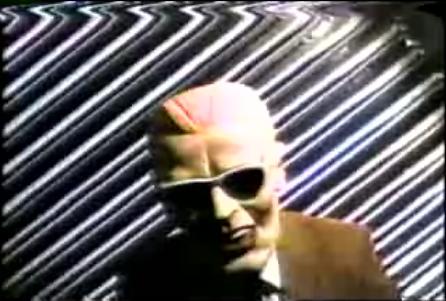
On the evening of November 22, 1987, unknown persons twice interrupted the broadcasts of Chicago television stations. In both cases a man appeared on screen in the mask and costume of Max Headroom, a fictional television host, and viewers saw a pirate insertion for several tens of seconds instead of the regular programs. No one claimed responsibility for it, and the culprits were never found.
The first interception occurred at 21:14 local time on the independent station WGN-TV, during the sports portion of the evening edition of The Nine O'Clock News. The screens went black for about 15 seconds, then a figure appeared, swaying in front of a metal panel resembling the backdrop from programs about Max Headroom. The sound could not be transmitted: viewers heard only a loud hum. The whole insertion lasted about 30 seconds. Engineers changed the frequency of the signal going from the studio to the transmitter and regained control of the air. The sports anchor, returning to the screen, said he did not know what had happened and joked about the news computer going crazy.
About two hours later, around 23:20, the signal was interrupted on WTTW, Chicago's PBS station, during the showing of the first part of the series Doctor Who (Horror of Fang Rock). Judging by everything, the same person was at work, but this time the sound was audible, though distorted. The figure shouted fragments of phrases and references to commercials, and ended with a crude joke. The insertion lasted about a minute and a half. On the Sears Tower, where the station's transmitter stood, there were no engineers at that hour, so the pirates could not be stopped: the transmission ended when they turned it off themselves.
There was no need to break into the studio: the pirates fed the transmitting towers a more powerful microwave signal than the stations themselves, and thanks to the capture effect their picture displaced the broadcast. According to specialists' estimates, such a trick required serious technical preparation, a high-power transmitter, and a direct line of sight to the towers of both stations, which stood on skyscrapers in downtown Chicago. After American television switched from an analog signal to a digital one in 2009, repeating this became practically impossible.
The investigation by the Federal Communications Commission (FCC) found no culprits. No one ever claimed responsibility; among the versions named were WGN employees and members of the Chicago hacker community. According to reports of that time, the pirates faced a fine of up to 100 thousand dollars and up to a year in prison, but the five-year statute of limitations expired in 1992, so they no longer face punishment, even if their names are ever established.
Image: Unknown, see en:Max Headroom broadcast signal intrusion incident . Public domain

Translation editors: Соловьев В., Пеков А.
Source: en.wikipedia.org ↗