
Hackers cracked open a Flock camera: the encryption key was sitting on the device itself
XORit Editorial · Sources, AI assistance and corrections
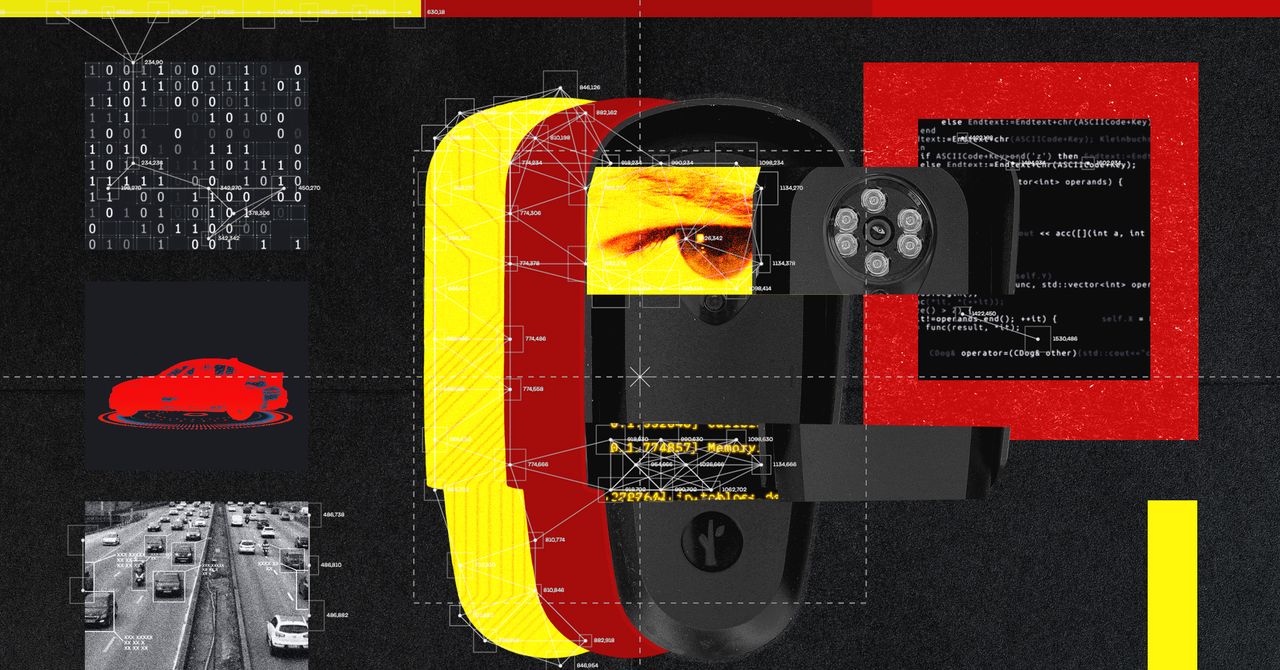
Flock Safety cameras, which are mounted above roads to read license plates, were described by the company as protected by encryption on the device itself. The stegan0gram group took such a camera off its pole, made an almost complete copy of its memory, and pulled out the encryption key that was stored on the device itself: with it, videos of thousands of vehicle detections opened up, while part of the sensitive storage stayed locked.
The files were handed to the outlet 404 Media and the nonprofit project Distributed Denial of Secrets, from which Wired obtained them; the two outlets then went through the material together. The hackers also promise to publish the technical details of the teardown.
The examination showed that the camera's software recognizes not only cars, plates and bicycles, but people as well: when it detects a person, it marks their position in the frame and the detector's confidence level. According to the recovered logs, over several weeks the device captured about 50,200 vehicles and produced roughly 1.6 million images, while on an ordinary day it logged around 3,300 cars.
A single passing car sometimes accounted for dozens of frames — the camera shoots in bursts with different exposures to capture both the plate and the overall scene. The plate detector also got things wrong: it mistook a sticker on a bumper, or a US flag patch on a motorcycle bag, for a plate. Flock insists its cameras do not do facial recognition, and the code review did not confirm that they do.
It was reported earlier that data from similar cameras across the country was available to many outside agencies: camera footage in one Georgia city was open to more than 2,000 organizations. After a string of scandals, some cities announced they were dropping Flock equipment. The company calls the removal and cracking of the camera illegal and says it never received a vulnerability report through its disclosure program.
Translation editors: Соловьев В., Пеков А.
Source: www.wired.com ↗