
Largest fresh crater in the Solar System found on the Moon — 222 metres across
XORit Editorial · Sources, AI assistance and corrections
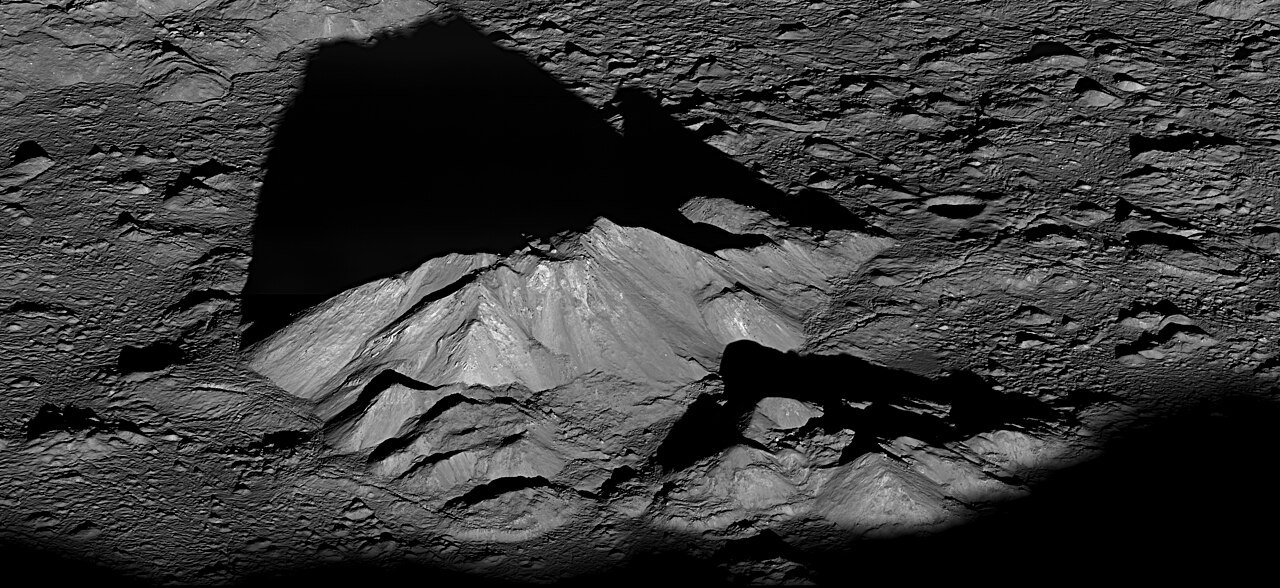
NASA's Lunar Reconnaissance Orbiter has recorded the largest known fresh impact crater in the Solar System: about 222 metres across and up to 43 metres deep — bigger than the Roman Colosseum. Its steep walls and almost untouched appearance make the find a rare source of data on how the lunar surface changes.
The crater appeared in May 2024, yet neither ground-based nor space telescopes caught the impact itself. The LRO images were identified only while accumulated archives were being reviewed in August 2025; the spacecraft took more detailed frames in the autumn, and the find was confirmed early this year.
The culprit is thought to be a fragment of an asteroid or comet the size of a three- or six-storey building. By the authors' estimate, an event on this scale happens roughly once every 132 years, and scientists call it a statistically rare observation — practically once in a lifetime.
The impact churned up the lunar surface for more than 100 kilometres around, and the ejected soil flew out at an unexpectedly wide angle. A separate study found a cold zone some 7 kilometres wide around the crater — the trace of the upper layer being loosened. One of the co-authors compares impacts to gardening: they turn the regolith over, bringing up what usually stays underneath.
Data from LRO, which has been operating since 2009, indicate that the top two centimetres of lunar soil are turned over by ejecta roughly once every 80,000 years — faster than previously thought. That means the footprints of the Apollo astronauts, contrary to popular belief, will not last forever.
The crater was named after Thomas McGetchin, former director of the Lunar and Planetary Institute in Houston; it is three times larger than the previous record holder found by LRO ten years ago. Two papers were published in Science Advances on 16 September. Scientists now have to assess how dangerous the scattered debris is for the planned lunar base: the calculation will help engineers design protection for structures.
Image: NASA / GSFC / Arizona State Univ. / Lunar Reconnaissance Orbiter Public domain

Translation editor: Ловушкин А.
Source: phys.org ↗