
The Human Brain Turns Out to Be Two Separate Organs, Stanford Medicine Finds
XORit Editorial · Sources, AI assistance and corrections
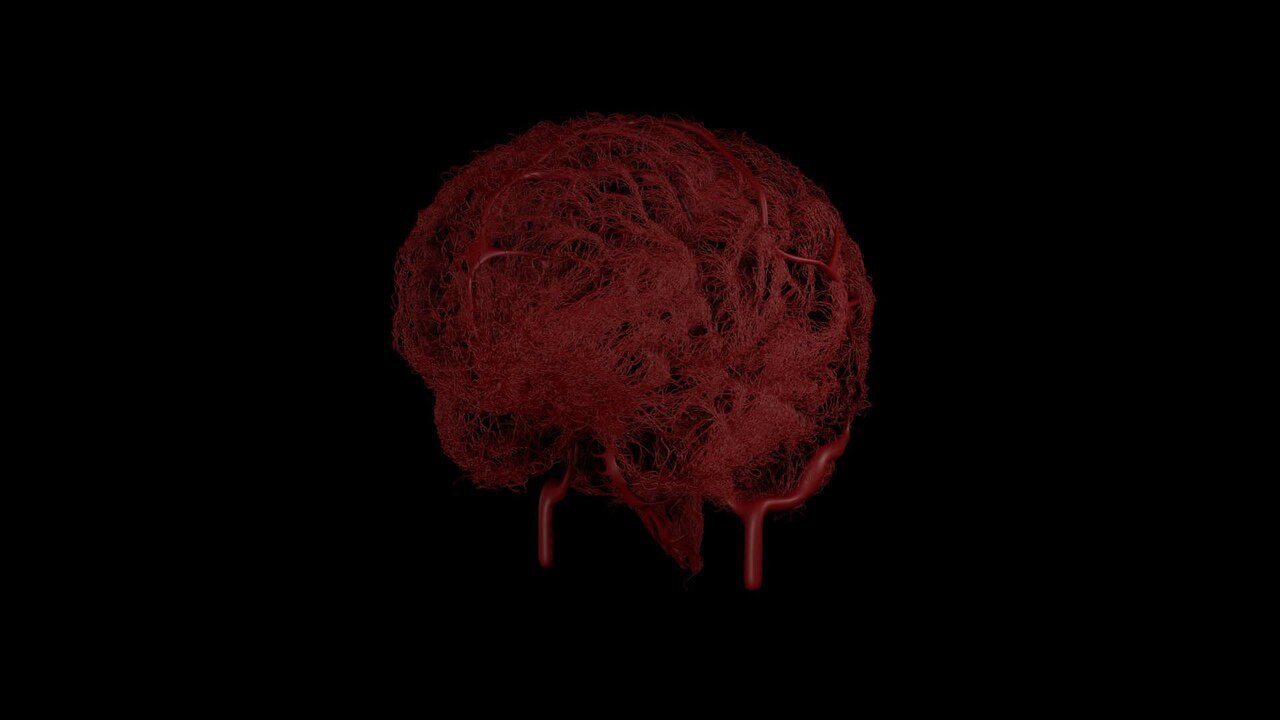
The human brain is not a single organ but two nervous systems that evolved independently over hundreds of millions of years. That is the conclusion reached by researchers at Stanford Medicine. For centuries the brain was thought to be a single whole, with all of its parts arising from one progenitor cell.
The front of the brain, responsible for speech, thought and consciousness, and the rear part — the brainstem, which controls breathing, heartbeat and swallowing — grow from different progenitor cells: one set switches on the Otx2 gene, the other Gbx2, and their paths stop intersecting from the earliest stages of embryonic development. This upends the model accepted for decades, according to which the entire brain comes from a single source.
The answer was found at the gastrulation stage, when the body is only beginning to form. Observations of mouse embryos showed that the hindbrain develops in parallel with the forebrain rather than branching off from it. The difference is locked in by DNA packaging — chromatin: in the two groups of cells it is structured in a fundamentally different way.
The practical upshot: for the first time, scientists grew human hindbrain neurons in the laboratory from pluripotent stem cells. The resulting cells emit electrical impulses and produce proteins characteristic of the brainstem regions that control facial expression and swallowing. This had not been achieved before, which left diseases of the brainstem, including spinal muscular atrophy and ALS, with almost nothing on which to study them.
The scale of the finding was confirmed by comparison with other animals: the same two-part scheme has been found in chickens, zebrafish and even in acorn worms from the sea floor. In jellyfish, which split from our evolutionary line 600–700 million years ago, the nervous systems are located at opposite ends of the body altogether. The work was published in Nature Neuroscience on September 18.
Image: AgnieszkaStarostecka CC BY 4.0 · License
Translation editor: Ловушкин А.
Source: med.stanford.edu ↗