
NASA Selects PRIMA as First Probe Explorers Mission
XORit Editorial · Sources, AI assistance and corrections
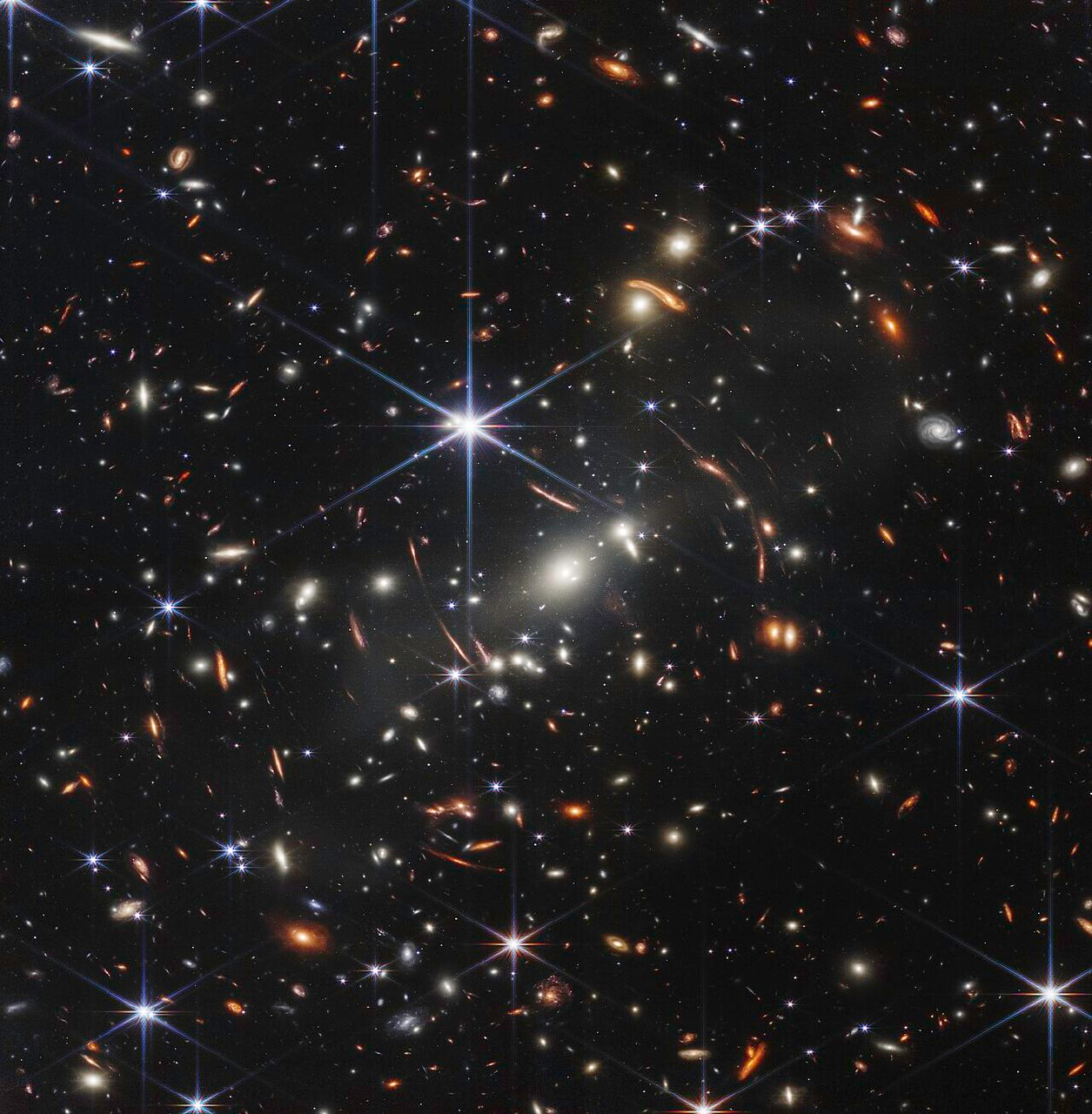
On September 23, 2026, NASA announced that the PRIMA mission (PRobe far-Infrared Mission for Astrophysics) is moving to the next stage of development. It is the first spacecraft of the new Probe Explorers class of astrophysics missions under NASA's Explorers program.
Phase B means preliminary design and technology development. Before implementation, the project faces a confirmation review: it will assess technical, programmatic, and cost performance and decide whether the project is ready for Phase C. If confirmation is granted, the project's cost is capped at $1.2 billion, not counting launch and other costs outside the project.
The telescope's mirror is 5.9 feet in diameter, or about 1.8 meters. PRIMA will conduct deep, sensitive surveys of the sky in the far infrared and will help link infrared observatories such as the James Webb telescope with radio telescopes. Launch is targeted for 2033, and the mission is designed to last five years.
Studying radiation that appears only in the far infrared should answer a wide range of questions: how planets beyond the Solar System form, how galaxies and their black holes grew and evolved, and how dust and heavy elements accumulated. NASA hopes this will help explain where Earth's water came from.
The mission will be managed by NASA's Jet Propulsion Laboratory in Southern California, with Goddard Space Flight Center and Marshall Space Flight Center also taking part. There are international partners as well: CNES, ASI, DLR, the Canadian Space Agency, KASI/KASA, JAXA, and the UK Space Agency.
The Probe Explorers class was created on the recommendation of the 2020 decadal survey by the National Academies of Sciences, Engineering, and Medicine. PRIMA was selected after a detailed assessment of concepts: scientific value, the feasibility of cost and schedule plans, and technologies useful for future large missions were all taken into account.
The Explorers program is considered NASA's oldest continuous program: it provides frequent, low-cost access to space for investigations led by principal investigators. Since the launch of Explorer 1 in 1958, which discovered Earth's radiation belts, more than 100 missions have flown under it, including Uhuru and the Cosmic Background Explorer, whose researchers received Nobel Prizes.
Image: NASA, ESA, CSA, and STScI Public domain

Translation editor: Ловушкин А.
Source: www.nasa.gov ↗