
SpaceX prepares first operational Starship flight with orbital insertion
XORit Editorial · Sources, AI assistance and corrections
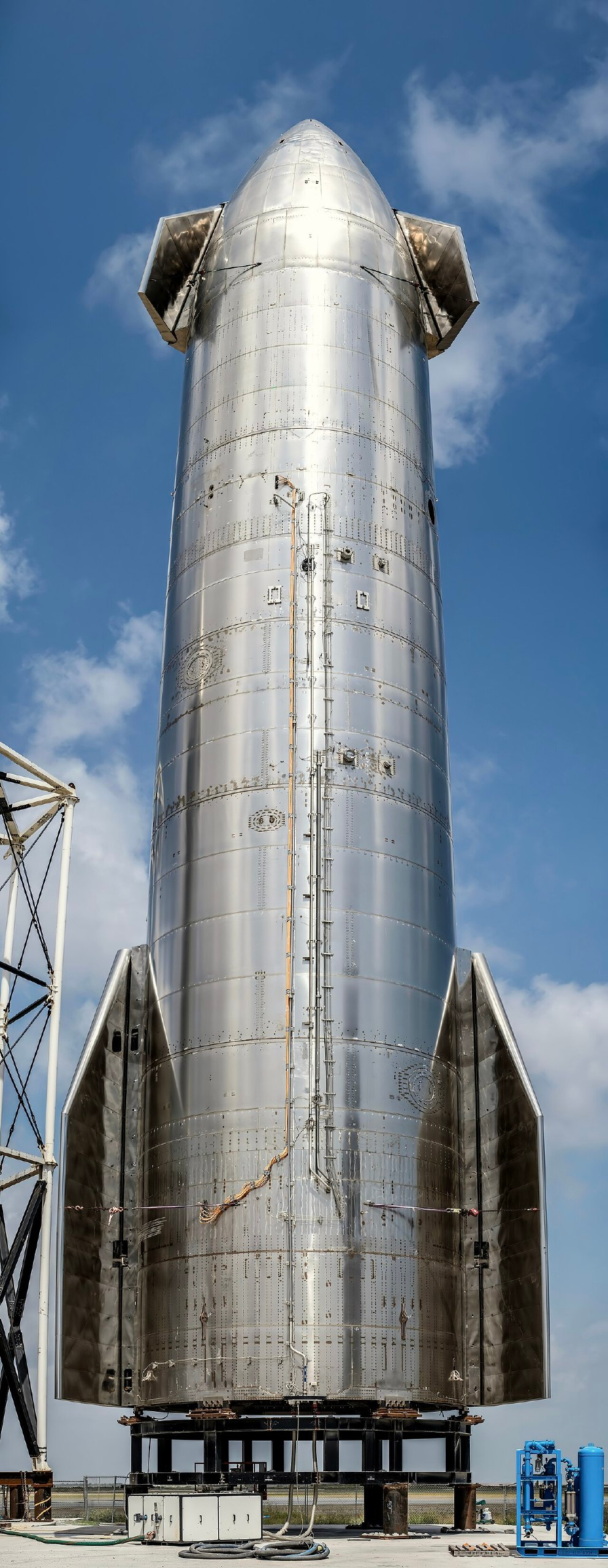
SpaceX is preparing the fourteenth launch of the Starship system. Ship 41, with its Super Heavy booster, is scheduled to lift off no earlier than 12:46 UTC on September 28, 2026, from pad OLP-2 at Starbase in Texas. The flight is intended as the first operational one in the program: earlier launches were mostly tests, and the system is now to move toward delivering payloads and long-duration work in orbit.
The main difference from past missions is that Ship 41 is to reach a stable orbit for the first time, rather than following a suborbital trajectory as before. The engines for orbital insertion will be fired only if the ship is judged sound enough to later perform a controlled deorbit. Under the plan, that maneuver begins about twenty-five minutes after liftoff.
First operational payload
In orbit, Starship is to deploy 26 operational Starlink V3 satellites, a group designated Starlink Group 31-1. Three of the spacecraft carry cameras that will film the ship's own heat shield during the flight. Satellite deployment is planned for about half an hour after liftoff and will take about half an hour.
After stage separation, the Super Heavy booster will perform a braking burn and splash down in the Gulf of Mexico. Booster preparations were extended to allow extra checks following problems with a landing engine during the thirteenth flight.
Flight preparations
Ship 41 passed cryogenic testing on June 29, 2026. In August the ship returned to the Massey's test site: on August 19 a single-engine firing simulated a deorbit burn, and on August 21 all six Raptor engines ran for about a minute at full duration. Booster 21 completed a similar full-scale test on August 28.
At the end of the mission, Ship 41 will deorbit after spending about eight and a half hours in orbit, re-enter the atmosphere, perform a landing flip and braking burn, and splash down in the Pacific Ocean. If the entire program is carried out successfully, it is meant to confirm the capabilities needed for subsequent operational flights: orbital insertion, payload deployment, long-duration flight, controlled deorbit and atmospheric reentry.
Image: Lars Plougmann from United States CC BY-SA 2.0 · License

Translation editor: Ловушкин А.
Source: en.wikipedia.org ↗