
On this day: how ten days disappeared from the calendar
XORit Editorial · Sources, AI assistance and corrections
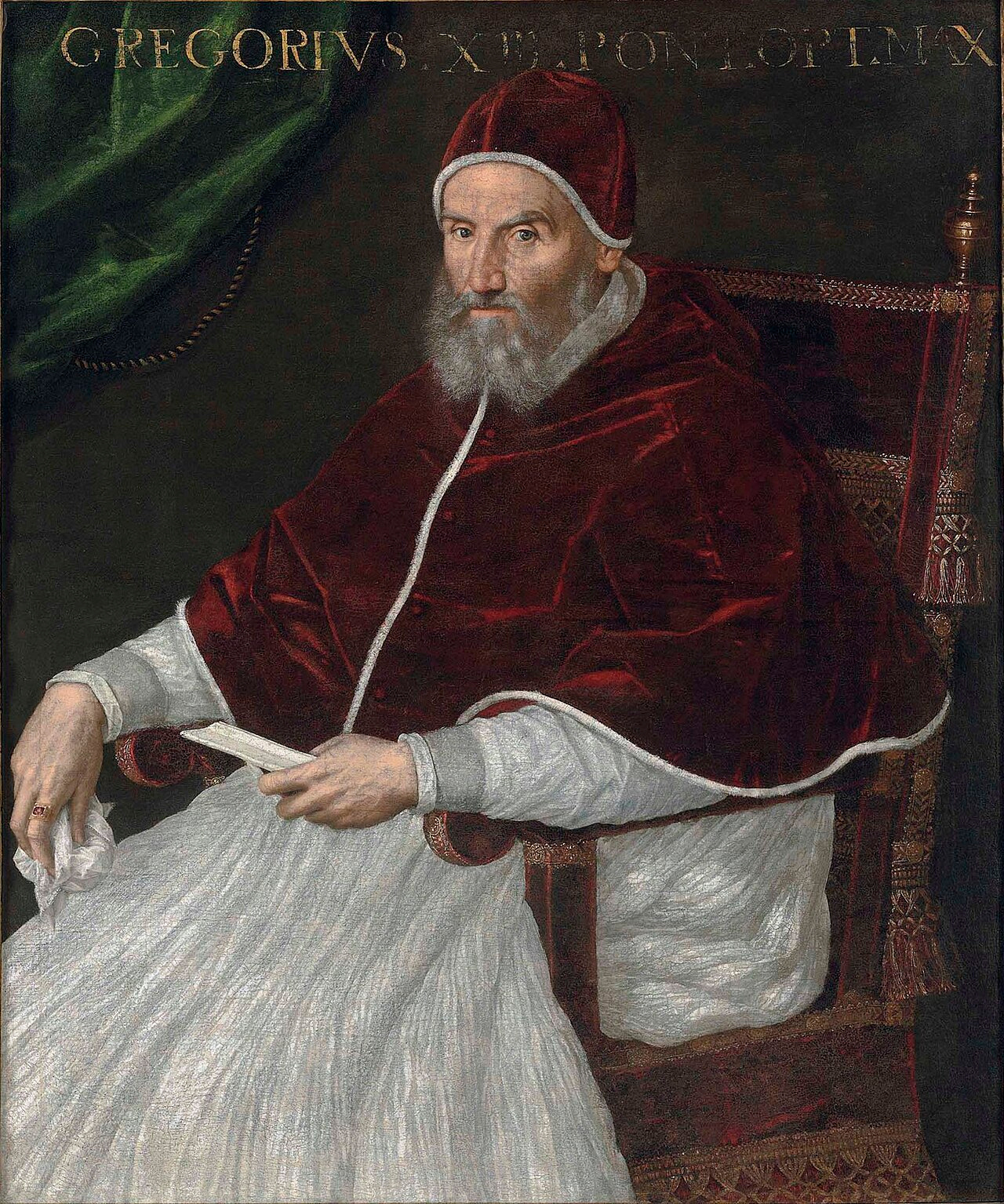
On October 4, 1582, the last day under the old Julian calendar passed in the Catholic countries of Europe. By then it had fallen almost ten days behind the astronomical year, and the day of the spring equinox, from which Easter is counted, had shifted. A papal bull of Gregory XIII ordered the extra days to be skipped: Thursday, October 4, was immediately followed by Friday, October 15. Thus the Gregorian calendar, by which we still live today, came into being. The reform relied on the calculations of astronomers: without them, the church holiday would have kept drifting forward.
Why the reckoning diverged from the sky
The Julian year was taken to equal exactly 365.25 days, while the real solar year is 11 minutes shorter. Over the centuries the difference accumulated: since the Council of Nicaea in 325, the spring equinox had shifted from March 21 to March 10 or 11.
The recalculation was prepared by astronomers: Aloysius Lilius proposed the basis, and Christopher Clavius brought it into working form. Ten days were removed from the calendar at once.
The rule for leap years also changed: centennial years not divisible by 400 became ordinary. Thus 1700, 1800 and 1900 were not leap years, while 1600 and 2000 were. The average length of the year became 365.2425 days instead of 365.25.
How different countries adopted the calendar
The new calendar was adopted gradually: first the Catholic countries, then the Protestant and Orthodox ones. Greece was the last European country to switch to it, in 1923; many Orthodox churches still hold services according to the Julian calendar.
The difference between the calendars is not constant: in 1582 it was ten days, and by the 20th century thirteen. That is why in the transitional decades documents were dated in two styles, old and new.
Image: Lavinia Fontana Public domain

Translation editor: Ловушкин А.
Source: en.wikipedia.org ↗