
On this day: how Greenwich became the prime meridian
XORit Editorial · Sources, AI assistance and corrections
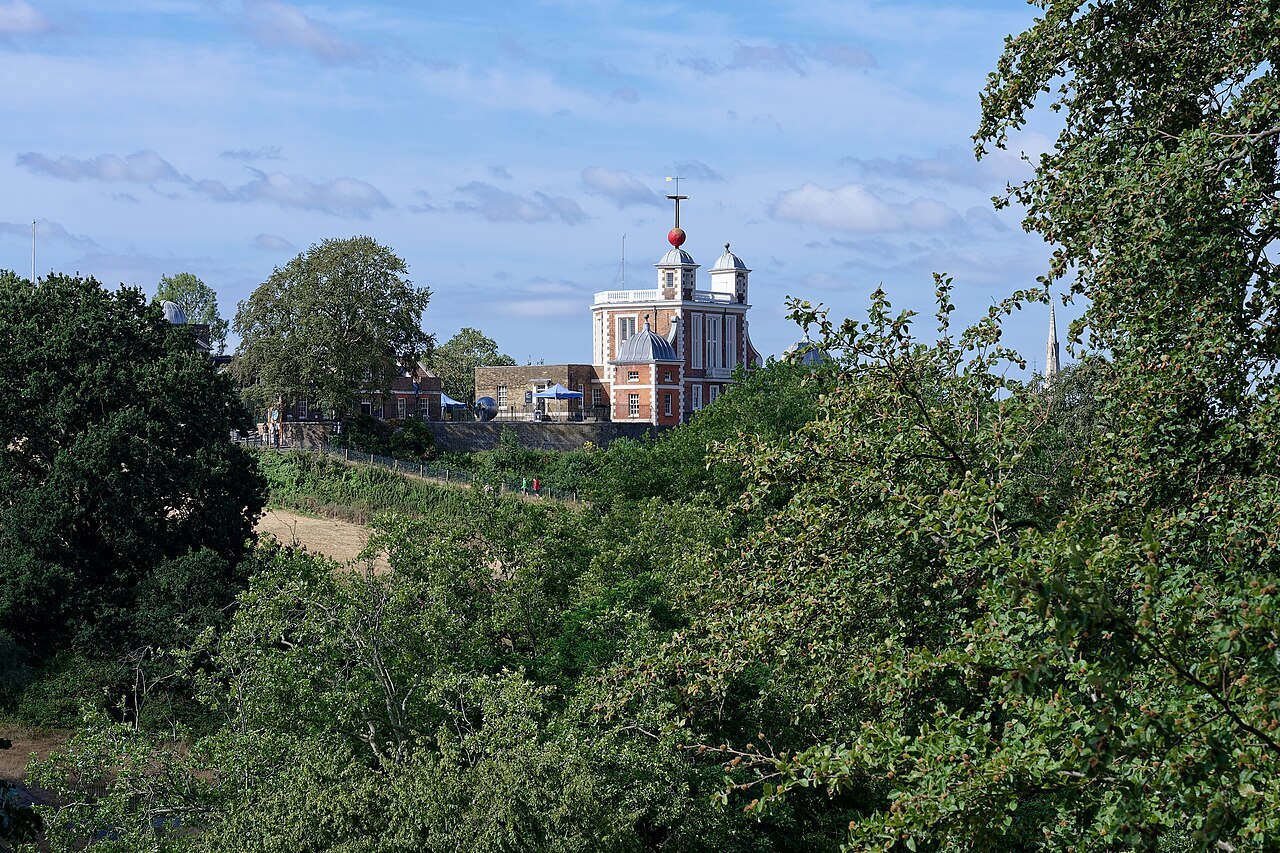
On 13 October 1884 in Washington, the International Meridian Conference voted on resolutions. 26 countries, 41 delegates. They were deciding what longitude and time should be counted from for the whole world. The conference convened at the request of US President Chester A. Arthur.
Why a single meridian was needed
By the 1870s two reasons had accumulated: navigation needed a single prime meridian, and the railways needed agreed local times for their schedules. In the US, tables showed more than a hundred local times with a spread of over three hours. Standard railway time in the country was introduced at noon on 18 November 1883.
The vote
The vote on 13 October settled the main point. The meridian of the Greenwich Observatory, running through the centre of its transit instrument, passed 22 votes to 1. Santo Domingo was against. France and Brazil abstained. The conference formally adopted the resolutions later, on 22 October 1884.
A resolution on the world day was adopted separately: 23 votes with 2 abstentions. The conference did not approve time zones. Establishing local time was not within its powers, and in the US standard time was enshrined in law only in 1918.
France held out until 1911
France did not agree until 1911. It accepted the Greenwich meridian as the start of the world day only then, and even after that it did not write “Greenwich”, but used the wording “Paris mean time, lagging by 9 minutes 21 seconds”. It was replaced by “Coordinated Universal Time” in 1978.
World navigation and communication gained a single zero reference. The meridian of the Greenwich Observatory became the common basis for longitude and time reckoning, although the conference only proposed it to the governments of the represented countries.
Image: Jakub Hałun CC BY 4.0 · License

Translation editor: Ловушкин А.
Source: en.wikipedia.org ↗