
Bacterium with a tiny genome found under the skin of deep-sea ‘sea pigs’
XORit Editorial · Sources, AI assistance and corrections
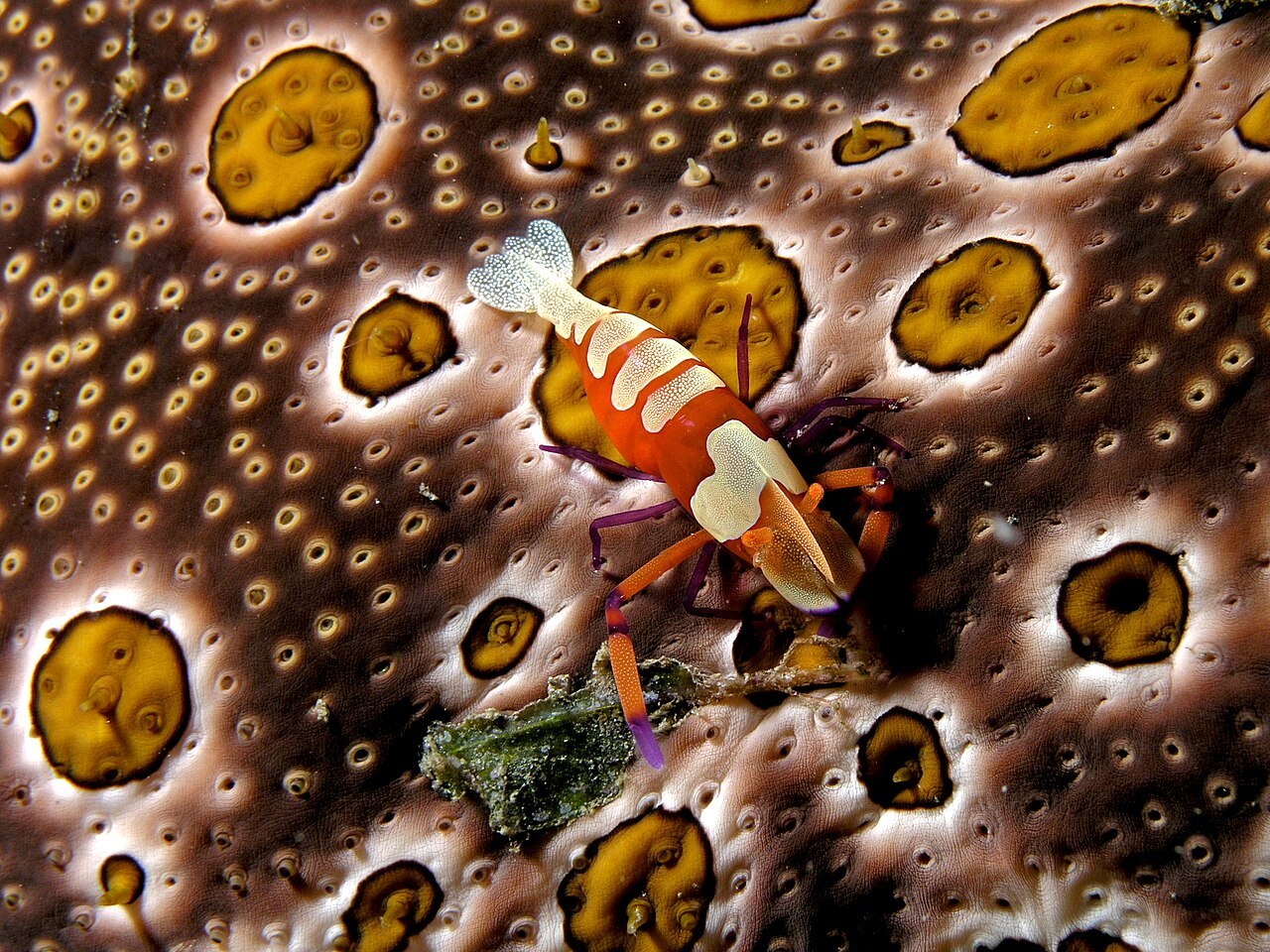
Japanese researchers, including staff of the University of Tokyo, have described a previously unknown bacterium that lives in the body wall of deep-sea holothurians known as "sea pigs." The results were published in the journal ISME Host Microbe, and the university's press release came out on 19 November 2026. The microbe was proposed the name Candidatus Abyssoplasma scotoplanesicola, that is, a new genus and species.
The oceanic "sea pig" is not a rodent but a holothurian, that is, a sea cucumber. This gelatinous, translucent creature, up to about 15 centimeters long, slowly crawls along the bottom on tube feet and collects organic detritus, including in areas where whale remains sink to the seafloor. Such animals play a notable role in processing dead organic matter at great depth, but their biology has been poorly studied: it is not even known how long they live.
To investigate the hidden microbes, researchers from several Japanese scientific organizations examined eight holothurians collected on deep-sea expeditions. DNA was extracted from different tissues, the genomes of the most abundant bacterial groups were reconstructed, and fluorescence microscopy was used to determine exactly where the microorganisms are located in the animal's tissues.
It turned out that one bacterium clearly predominates in the body wall: in samples from three holothurian species it accounted for more than 70% of the sequences of the 16S rRNA gene, which is used to identify bacteria. By genetic features it belongs to the group of microorganisms that live in close association with marine invertebrates, but it differs markedly from previously known representatives, which is why the authors proposed assigning it to a separate genus and species.
A tiny genome and giant proteins
A tiny genome and giant proteins
The genome turned out to be very compact: 649 thousand bases, about seven times less than in E. coli. Some of the pathways for obtaining energy that are usual for bacteria were not found in it. At the same time, 27.6% of the entire genome is occupied by genes for surface protein groups, among which there are proteins longer than 5000 amino acids, whereas an average bacterial protein numbers about 300. The exact functions of these large proteins are unknown: it is assumed that they help interact with the host's tissues or glue bacterial cells into groups.
The lack of genes for independently producing some substances means that the bacterium probably depends heavily on the holothurian. This concerns amino acids, precursors of nucleic acids, lipids and mineral nutrients. What the holothurian itself gets from this union is not yet clear. Scientists allow that the bacterium protects it from pathogens, but they emphasize: this benefit has not yet been shown. Other questions also remain open, including why the microbe dominates the body wall so strongly, what competition it experiences, and how it affects the host's health.
Image: Nhobgood Nick Hobgood CC BY-SA 3.0 · License

Translation editor: Ловушкин А.
Source: www.sciencedaily.com ↗