
On this day: November 23, 1889, the first phonograph with a coin mechanism went into operation
XORit Editorial · Sources, AI assistance and corrections
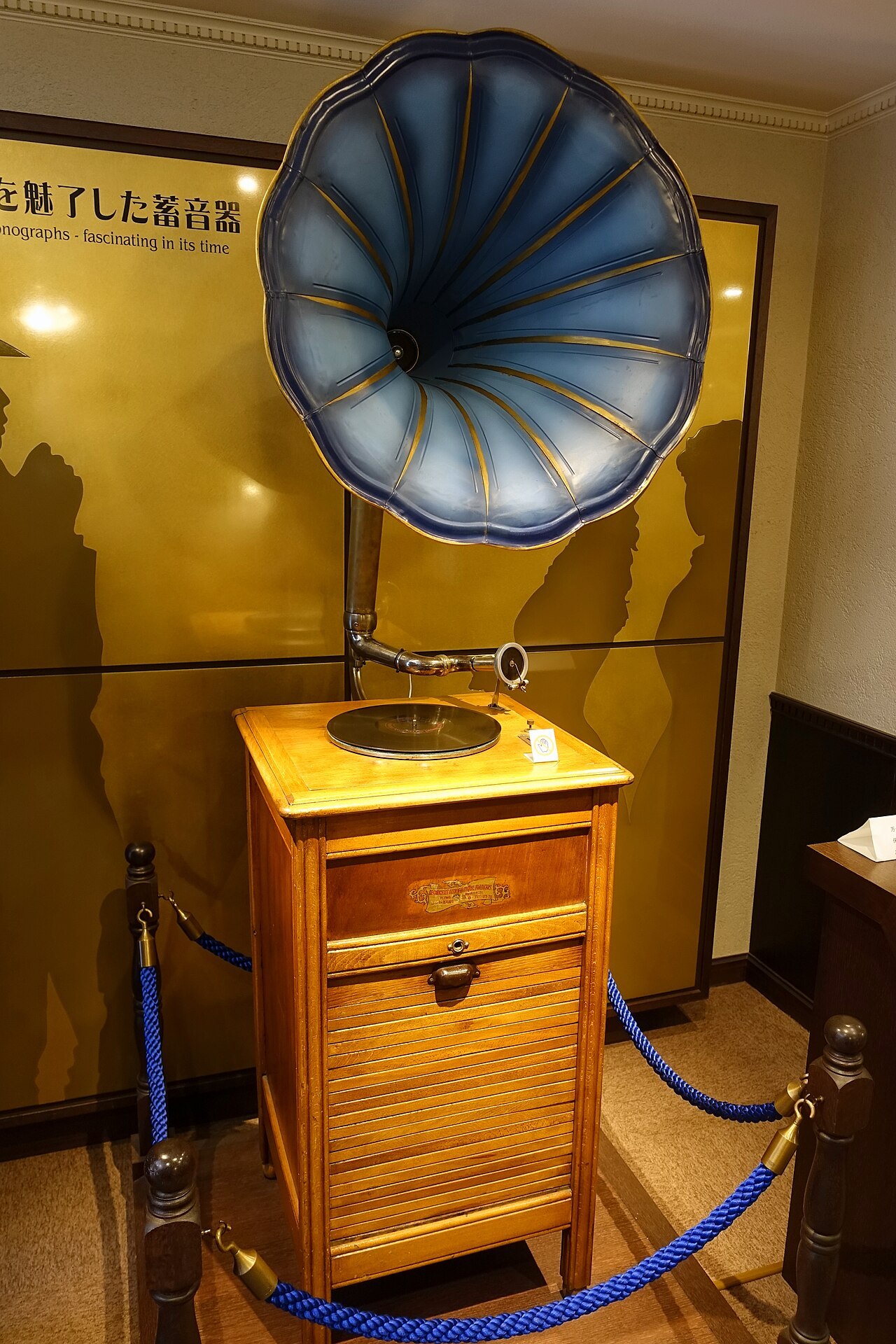
On November 23, 1889, the first phonograph with a coin mechanism began operating at the Palais Royale saloon in San Francisco. The device was installed two blocks from the office of the Pacific Phonograph Company, which belonged to the inventors.
After a coin was dropped, the recording was heard through tubes: the music came through two of the eight listening tubes. The basis was the Edison Class M Electric Phonograph, supplemented by a device patented under the name «Coin Actuated Attachment for Phonograph».
Before that, the automated options were music boxes and coin-operated player pianos: they played real instruments inside the cabinet, using paper rolls, metal discs or cylinders. Later, sound recordings began to be used in such machines.
Where the word «jukebox» came from
The word «jukebox» came into use in the United States from 1940 and referred to «juke joints». Juke itself came from the Gullah language and meant «indecent». For many years, manufacturers of the machines tried not to use this word, associated with establishments of dubious reputation.
In 1928 the Audiophone appeared: a wide and bulky device with eight separate record players on a rotating mechanism resembling a Ferris wheel, which allowed visitors to choose one of eight records. The machines reached their greatest popularity from the 1940s to the mid-1960s. By the mid-1940s, three quarters of the records released in America ended up in jukeboxes. Billboard published a chart based on plays in the machines, but by 1959 interest had fallen so much that the magazine stopped publishing it and collecting such data.
How the machine became a symbol of the era
One of the most famous models, the Wurlitzer 1015 of 1946, offered 24 recordings, and more than 56 thousand units were sold in less than two years. In 1995 the US Postal Service issued a 25-cent stamp in honor of the jukebox.
Traditional jukeboxes were once an important source of income for record publishers: new releases reached them first, and counting plays helped check how the public was receiving new music. In the digital era they have been largely replaced by internet systems and streaming services, but vintage models remain popular with collectors.

Translation editor: Ловушкин А.
Source: en.wikipedia.org ↗