
IBM 7030 Stretch: the failure that paved the way for mainframes
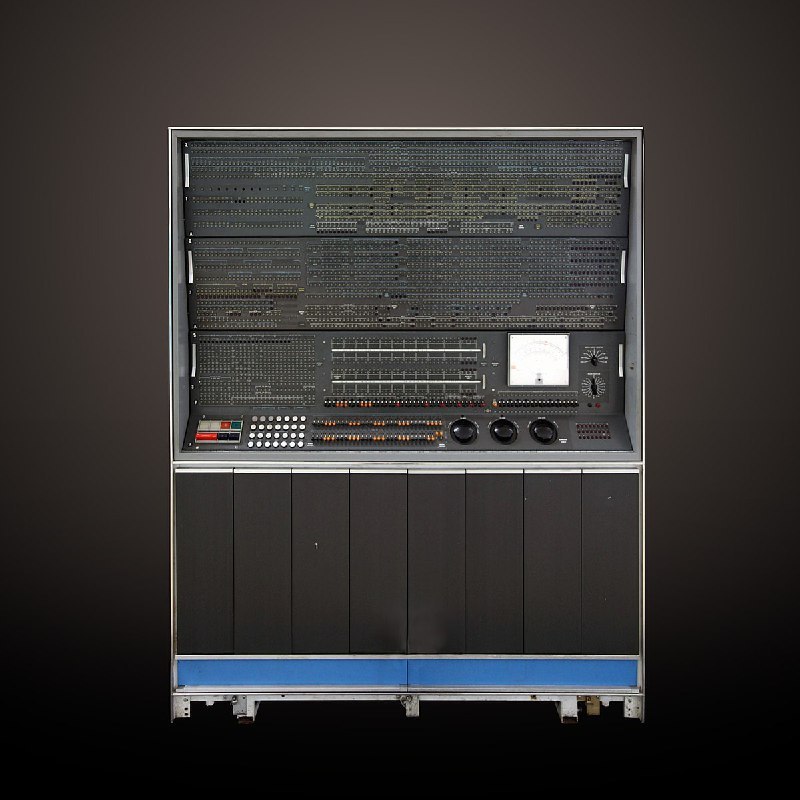
IBM 7030 Stretch was IBM’s attempt to create a machine a hundred times faster than the then-flagship IBM 704. The original request came from Lawrence Livermore National Laboratory, but IBM declined the initial proposal and offered a more ambitious system. Ultimately, the contract was signed with Los Alamos Laboratory in November 1956 with a target performance of 4 MIPS.
Reality turned out to be more modest: in 1961, tests showed only 1.2 MIPS — about a thirty-fold speedup instead of a hundred-fold. The price was reduced from 13.5 to 7.78 million dollars, and sales were limited to already signed contracts. PC World later called Stretch one of the biggest management failures in IT history. A total of nine machines were produced.
Despite its commercial failure, Stretch was a technically advanced machine. It used about 170 thousand transistors, worked with 64-bit words and supported up to 256 kilobytes of memory. Among the implemented ideas — pipelined command processing, prefetching, memory interleaving, memory protection and an eight-bit byte for input/output.
Many of these concepts later migrated to the IBM System/360, announced in 1964. Stretch project manager Stephen Dunwell, initially scapegoated for ‘failure’, received official apologies and the title of IBM Fellow in 1966 — after it became clear how important his work was.
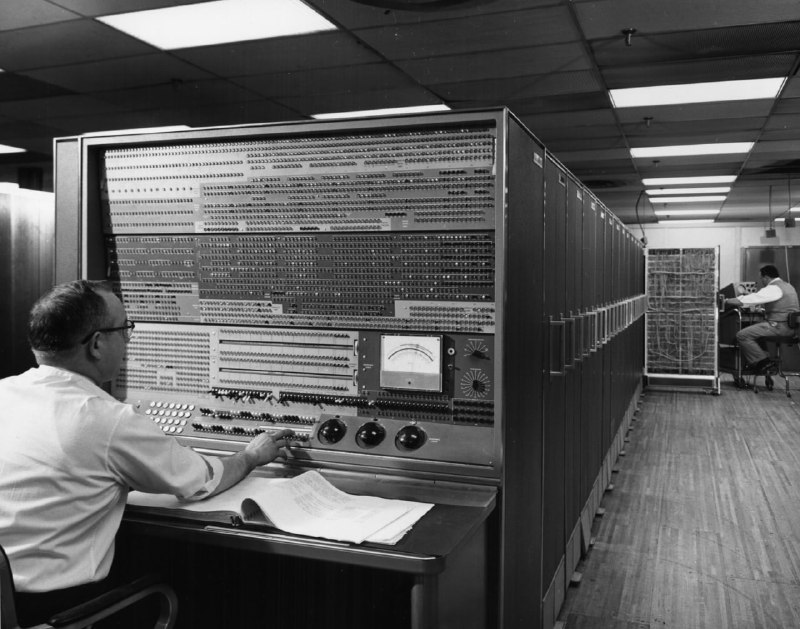
Stretch remained the fastest machine on the planet from 1961 to 1964, until the CDC 6600 appeared. Some units operated into the 1970s: the machine at Los Alamos was used until 1971, and the IBM 7950 Harvest system at the NSA until 1976. Parts of these computers are now preserved at the Computer History Museum.
The story of Stretch is a reminder that even unsuccessful projects can change the industry. While not achieving the claimed speeds, the machine set architectural standards for a whole generation of mainframes and influenced the design of modern processors.
Primary source: en.wikipedia.org ↗