
John Dalton: the man who weighed atoms and saw the world differently
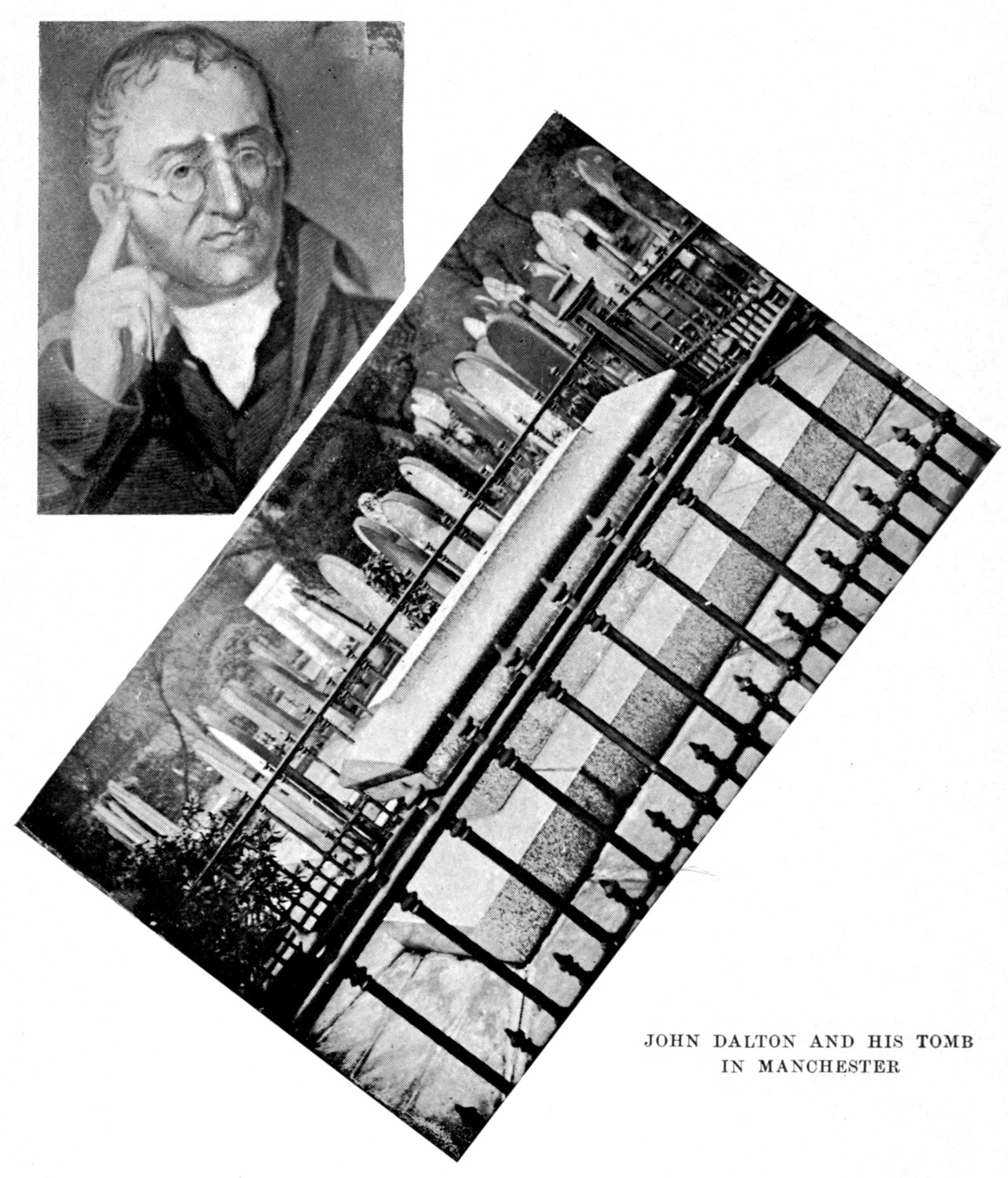
John Dalton was born on September 6, 1766, in England to a Quaker family. He became a chemist, physicist, and meteorologist whose ideas laid the foundation for modern atomic theory and stoichiometric chemistry. The scientist proposed that each chemical element consists of identical atoms with a characteristic weight, and compounds form when atoms of different elements combine in fixed integer proportions. These principles were included in his work ‘A New System of Chemical Philosophy’ (1808).
In addition to atomic theory, Dalton is known for the law of partial pressures, which establishes that in a mixture of gases each component behaves as if it occupies the entire volume independently. He also kept daily meteorological observations for more than fifty years.
A special place in the scientist’s biography is occupied by his research on color vision. In 1794, Dalton presented a report to the scientific society about unusual color perception, suggesting that the cause was the coloring of the fluid inside the eye. His hypothesis was not confirmed, but this became the first scientific description of color blindness. In 1995, analysis of Dalton’s preserved eye showed that he had deuteranopia—congenital red-green color blindness.
During his lifetime, Dalton received recognition: he was elected a Fellow of the Royal Society of London and awarded the Royal Medal. He led a modest lifestyle and was never married. After his death, he was given a civic funeral attended by more than 40,000 people. The atomic mass unit is named after the scientist – the dalton, and the term “daltonism” is still used in many languages.
Image: Image card

Primary source: en.wikipedia.org ↗