
“Nancy Grace Roman”: enough fuel for 22 years of observations instead of 10
XORit Editorial · Sources, AI assistance and corrections
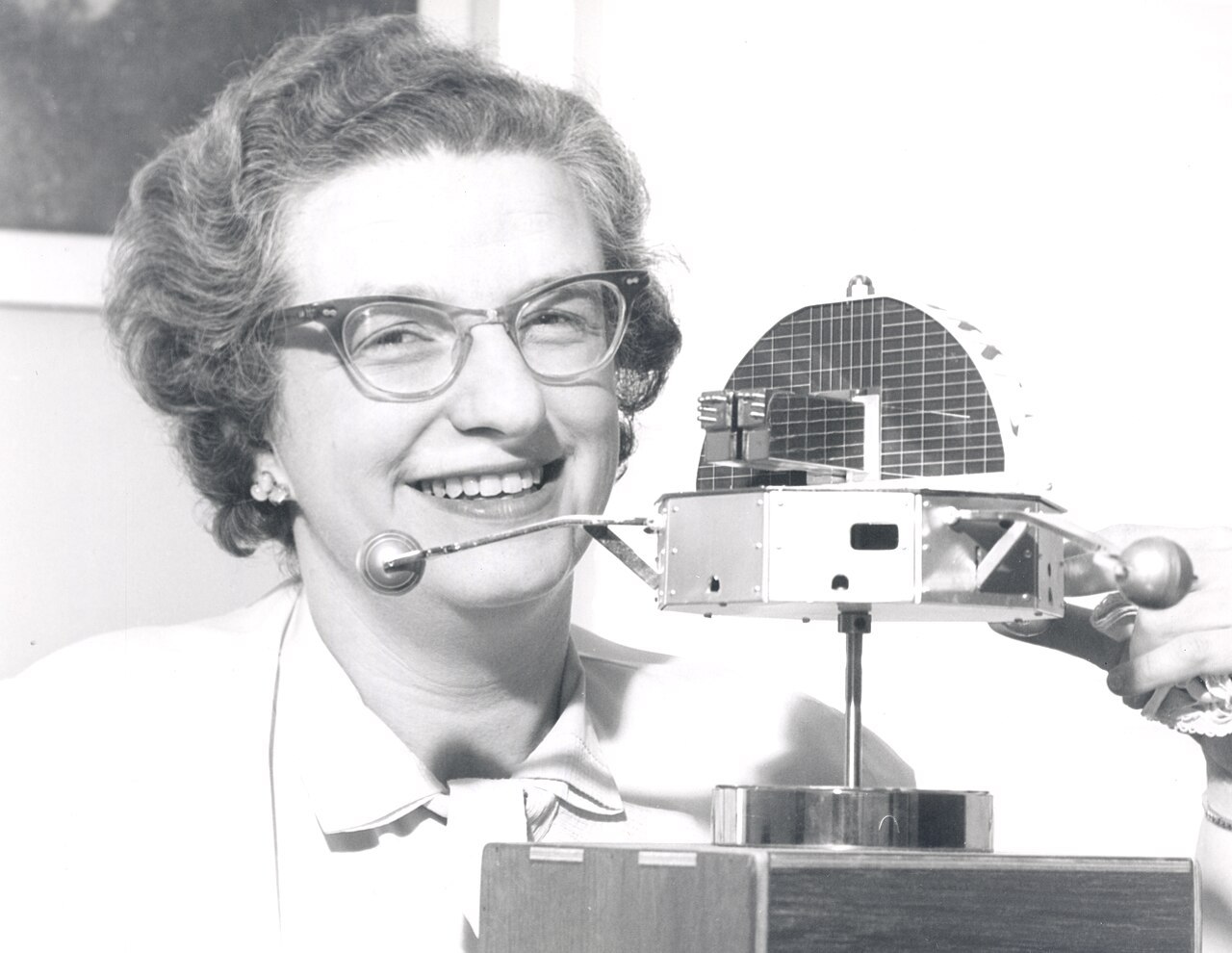
NASA's Nancy Grace Roman Space Telescope will be able to operate roughly twice as long as planned. According to the mission team's calculations, its fuel supply will last at least 22 years of science observations — against an original budget of 10 years.
The spacecraft was originally designed for a five-year primary mission plus five years of extended operations. Fuel is the observatory's main consumable resource, so saving it directly extends the mission: the telescope has no other source of "extension."
The main reason for the surplus is a very successful first course correction. The maneuver on August 31 was carried out with better than 99% accuracy and used less than 10% of the allocated fuel: about 18 kilograms instead of 200.
Some of the fuel was added before launch. Calculations were based on a conservative maximum mass of about 9,800 kilograms, while the observatory's actual mass turned out to be about 8,056 kilograms. A lighter spacecraft needed less fuel, and the freed-up mass margin allowed the tanks to be filled to the brim.
A second correction is expected to be quite small and will be carried out later this month. It will provide the final boost of energy before the transition to its operating orbit at the L2 point — roughly 100 days after launch, or about the beginning of December.
Once in its orbit, the telescope will need only occasional station-keeping adjustments — roughly once every 28 days. NASA notes that a precise launch, careful planning, and the well-coordinated work of the operations team helped save fuel.
As a reminder, Nancy Grace Roman is NASA's flagship observatory: its wide and deep surveys should help astronomers study dark matter and dark energy, exoplanets, Solar System objects, and galaxies at the edge of the observable universe.
Image: NASA Public domain

Translation editor: Ловушкин А.
Source: science.nasa.gov ↗