
Drug 991 switched AMPK on directly and extended lifespan in yeast, worms and flies
XORit Editorial · Sources, AI assistance and corrections
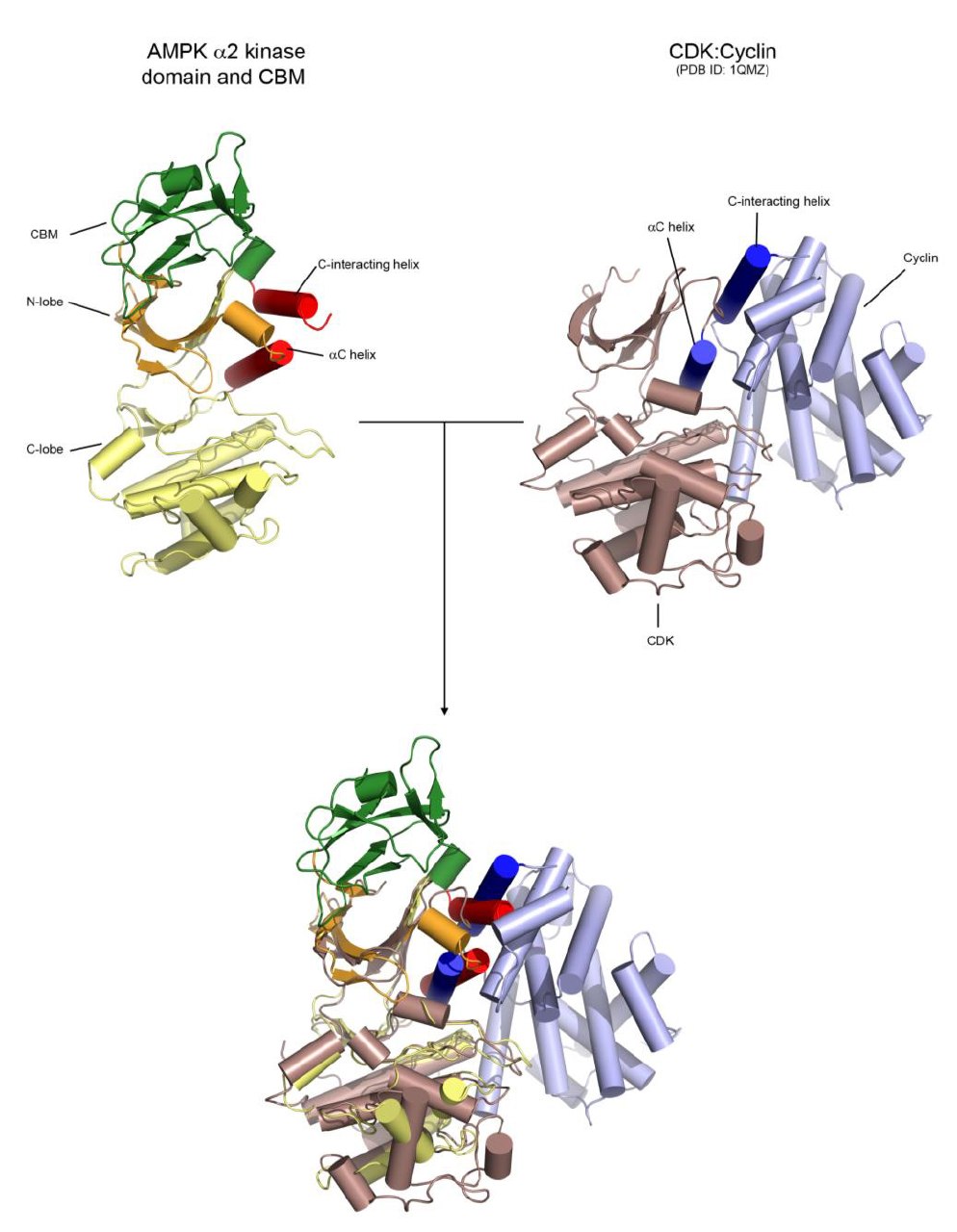
Researchers in the UK, Germany and France extended the lifespan of yeast, roundworms and fruit flies by acting on the cellular protein AMPK with drug 991. The work was led by the MRC Laboratory of Medical Sciences together with Imperial College London and the University of Cologne, and the results were published in the journal Aging Cell. In some experiments the test organisms lived more than 25% longer.
How AMPK manages energy
AMPK works as an energy sensor inside the cell: the enzyme tracks the cell's energy supply in real time. When energy runs short — during physical exertion, fasting or stress, for instance — AMPK halts costly processes such as building new proteins and storing fat, and switches metabolism over to energy production, that is, burning the fats and sugars already on hand. Failures in its operation are linked to metabolic diseases such as type 2 diabetes and obesity. Helena Cochemé, who heads the redox metabolism group at MRC LMS, compares AMPK to a phone's power-saving mode.
A direct activator
Metformin and weight-loss drugs such as semaglutide also activate AMPK, but they do so indirectly, and interpreting that kind of result in the laboratory and the clinic is noticeably harder. The new work used drug 991, which acts on AMPK directly. As Professor David Carling notes, switching the protein on precisely yields a cleaner result and gets around some possible side effects.
The experiments ran on model organisms: the fission yeast Schizosaccharomyces pombe, the nematode Caenorhabditis elegans and the fruit fly Drosophila. These species are short-lived (worms about three weeks, flies roughly three months, against about three years for mice), so discoveries in the biology of ageing are made faster in them. Scientists from Queen Mary University of London, the Francis Crick Institute and the University of Lyon also took part in the work.
What comes next
The authors stress that so far this concerns only laboratory model organisms, and that the next step will be mice. Professor Filipe Cabreiro adds that clinical trials in humans are still a long way off, since ageing is not officially considered a disease.
Direct AMPK activators, however, have already been used safely in clinical trials for certain metabolic diseases, which opens the way to treating a whole range of human conditions in the future. Improving health in old age matters: ageing is one of the main risk factors for cardiovascular disease, diabetes, cancer and dementia.
Image: Bing Xiao, Matthew J. Sanders, David Carmena, Nicola J. Bright, Lesley F. Haire, Elizabeth Underwood, Bhakti R. Patel, Richard B. Heath, Philip A. Walker, Stefan Hallen, Fabrizio Giordanetto, Stephen R. Martin, David Carling & Steven J. Gamblin CC BY 3.0 · License

Translation editor: Ловушкин А.
Source: www.brightsurf.com ↗