
Google opens global access to the SynthID AI content detector
XORit Editorial · Sources, AI assistance and corrections
On October 7, 2026, Google opened access to the SynthID Detector for all users. This is stated in a company message signed by Pushmeet Kohli, Google DeepMind's Vice President for Science and Strategic Initiatives. Previously the tool was available to a limited circle of specialists; now anyone can use it, though the interface still works only in English.
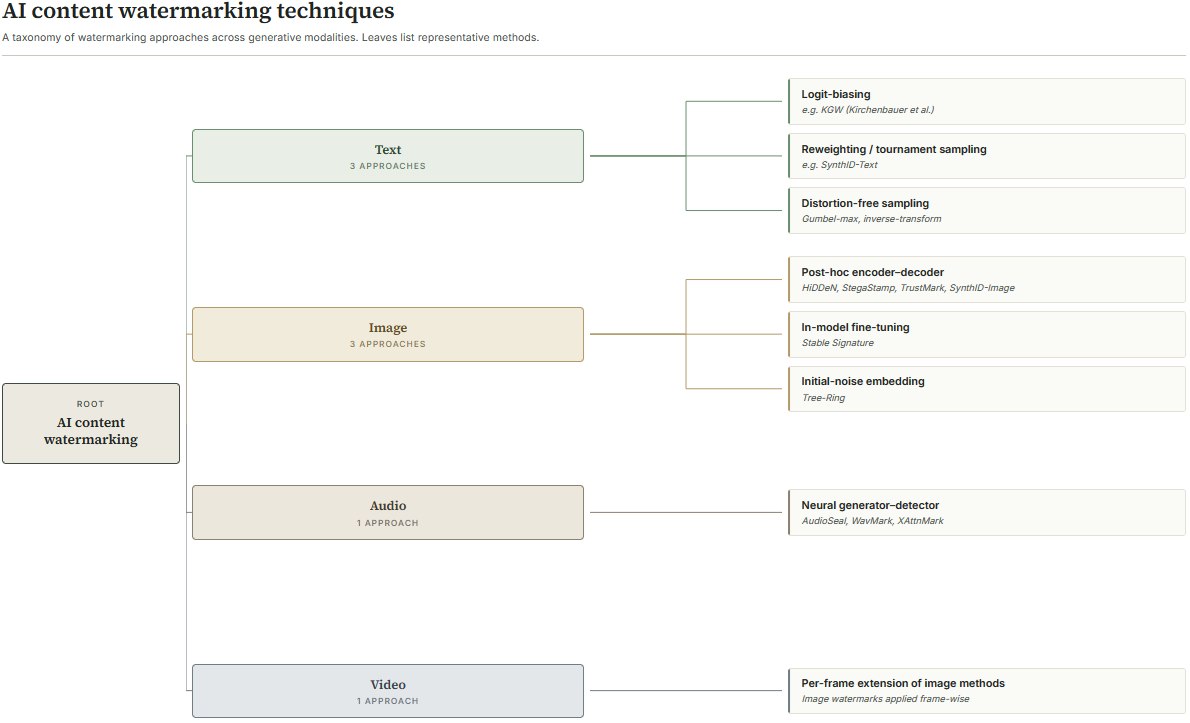
The company launched the SynthID technology in 2023. It embeds watermarks into images, video, and audio that are invisible to the eye and ear, so that the artificial origin of the material can be determined later. This refers to invisible marking inside the file, not a visible label on the image.
Scale
Google measures the scale of the technology's work in absolute numbers: according to the company, more than 180 billion images and videos have already been marked with watermarks, along with 240 thousand years of audio content.
The first version of the SynthID Detector was presented a year ago, and at that time it was aimed at media professionals who need to verify the origin of materials. Expanding access turns verification from a professional tool into a publicly available feature for a broad audience.
Whose files the detector recognizes
The detector recognizes files created both by Google's own tools and by partner systems. Among them are OpenAI, NVIDIA, and Kakao, and Apple will join the list later.
Google separately notes that the tool complements the verification features already built into Search, the Gemini app, and the Chrome browser. According to the company, these features process more than a million requests daily.
The message does not specify what exactly changed in the capabilities of the detector itself beyond the geography and language of access.
Image: Global Donald CC0 · License

Translation editor: Салтанов А.
Source: blog.google ↗