
On this day: 14 October 1926 saw the publication of the book “Winnie-the-Pooh”
XORit Editorial · Sources, AI assistance and corrections
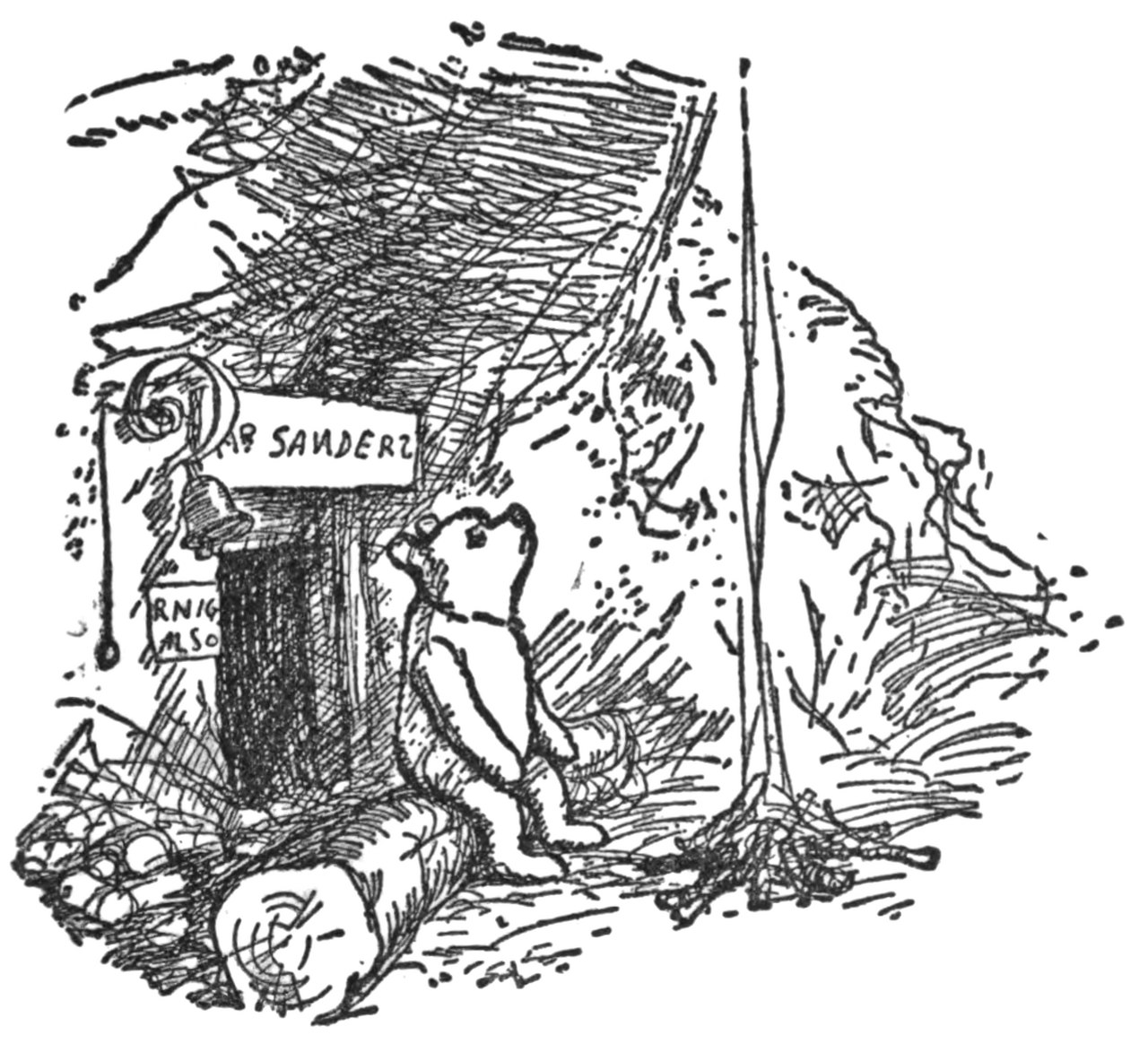
On 14 October 1926, the London publisher Methuen released “Winnie-the-Pooh”, the first collection of stories by Alan Alexander Milne about the teddy bear. The illustrations were by E. H. Shepard, who worked with Milne at Punch magazine. In the United States, E. P. Dutton published the book the same day. It is the first of Milne’s two Winnie-the-Pooh collections.
How the bear cub came about
The bear cub appeared before the book. The poetry collection “When We Were Very Young” (1924) included a teddy bear drawn from the toy of Shepard’s son. Shepard persuaded Milne to write stories about his son Christopher Robin and his toys. The bear took the name Winnie in honour of a bear called Winnipeg from London Zoo, and the second part of the name, Pooh, came from a swan in the same poetry collection.
The stories are set in the fictional Forest, and among the bear’s friends are Christopher Robin, Piglet, Eeyore, Owl, Rabbit, Kanga and Roo. The stories can be read separately: the plots do not carry over from one story to another, except for stories 9 and 10. The second collection, “The House at Pooh Corner” (1928), introduced readers to Tigger.
Critics received the book well, and it became a commercial success: the American publisher Dutton sold 150,000 copies before the end of the year. In 2003, “Winnie-the-Pooh” took seventh place in the BBC poll “The Big Read”.
Translations and adaptations
The stories have been translated into more than fifty languages. The Latin translation “Winnie ille Pu” (1958) in 1960 became the first foreign-language book on The New York Times bestseller list and the only Latin book to make it onto that list. Among the adaptations, the Disney works are well known, starting with the short film “Winnie the Pooh and the Honey Tree” (1966), along with three cartoons by Fyodor Khitruk (1969, 1971, 1972).
In the United States, the book entered the public domain on 1 January 2022; in Canada this happened back in 2007. The British rights to the text expire at the end of 2026, and those to Shepard’s illustrations only in 2047.
Image: Ernest Howard Shepard Public domain

Translation editor: Ловушкин А.
Source: en.wikipedia.org ↗