
AI detects signs of hypertension from smartwatch data without a cuff
XORit Editorial · Sources, AI assistance and corrections
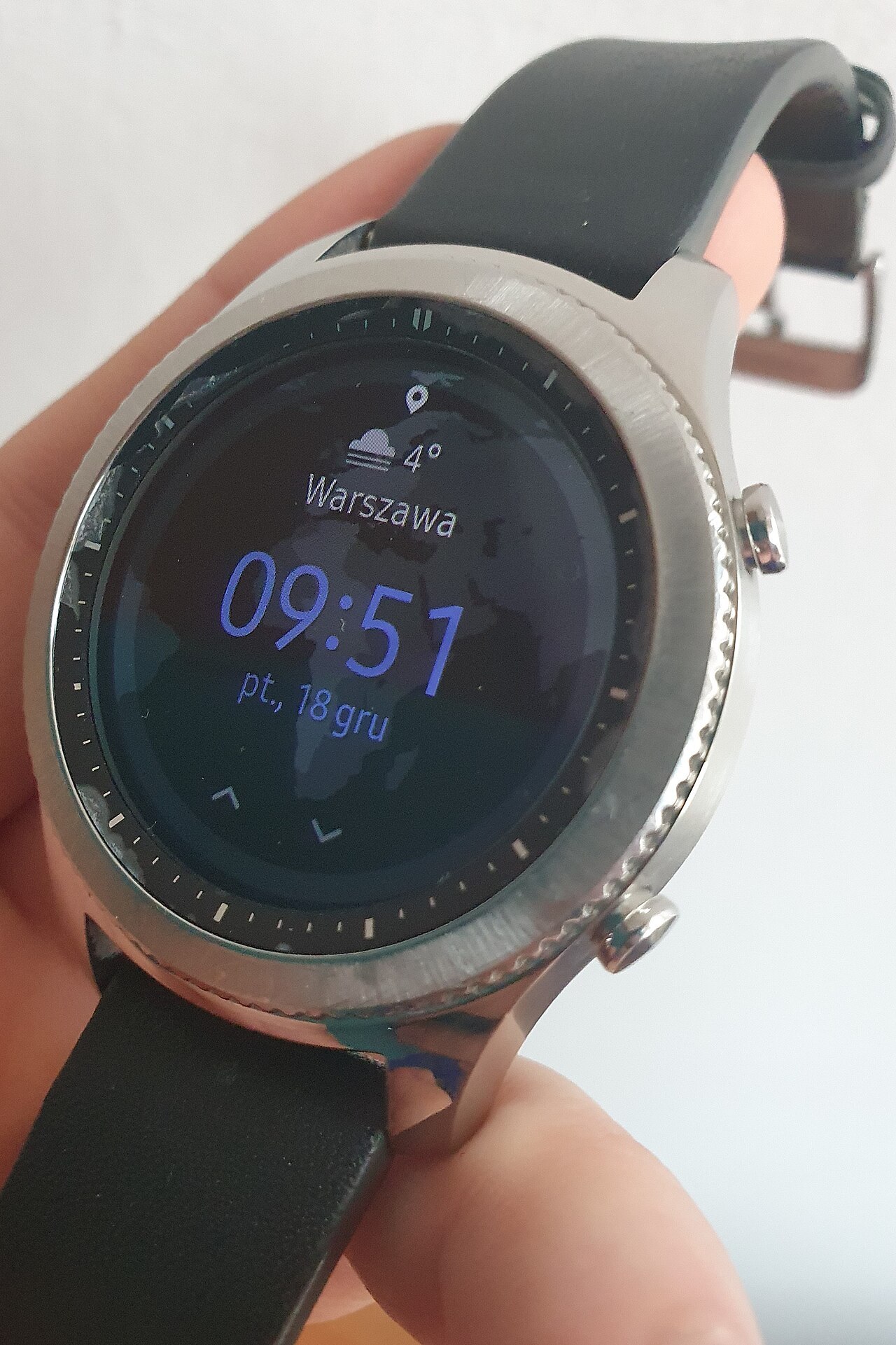
Google Research, together with physicians from Beth Israel Deaconess Medical Center and Harvard Medical School, presented the AI-PPG-ACC-HTN system. It detects signs of hypertension from the signals of ordinary smartwatches, without cuff calibration. The paper was published in Nature, and the work was reported on November 5.
Existing commercial cuffless solutions usually require regular comparison with a conventional blood pressure monitor. Therefore they track changes relative to a baseline measurement rather than the absolute state. The new system does without calibration: it does not estimate pressure at a specific moment, but collects signals over several days and draws a conclusion about the person's stable state.
An optical pulse sensor records changes in blood volume at the wrist, an accelerometer identifies moments of rest and picks up micro-oscillations from the heart's ejection of blood, that is, a ballistocardiogram. Signal fragments 15 seconds long are converted into vectors, averaged by day, the person's height is added as an indirect indicator of artery length, and a classifier outputs the probability of hypertension.
The clinical study involved 196 volunteers at five US centers. They had no known cardiovascular disease and were not taking blood pressure medication. Ambulatory blood pressure monitoring served as the reference. In primary screening, the system's sensitivity was 65.8%, specificity 90.0%, and positive predictive value 80.6%. A routine clinic visit under the same conditions gave a sensitivity of 55.3%.
A confirmatory scenario was tested separately on 48 participants with elevated blood pressure at the visit. Here the system showed sensitivity of 78.4%, specificity of 90.9%, and a predictive value of 96.7%. A repeat measurement in the clinic gave 67.6%, 63.6%, and 86.2%. Multi-day home monitoring gave higher sensitivity (89.2%) but lower specificity (81.8%), and the authors call the watch result comparable to it.
The authors emphasize that this is early research and the described methods are exploratory in nature. The system does not replace a clinical blood pressure monitor and does not diagnose on its own. Its purpose is to gently nudge a person with a suspected problem to come to a clinic. Google also says the results helped in developing the blood pressure tracking feature in the Google Health app.
Image: Kałasznikow CC BY-SA 4.0 · License

Translation editor: Салтанов А.
Source: research.google ↗