
Anti-NMDA receptor autoantibodies linked to lower risk of depression and PTSD after traumatic brain injury
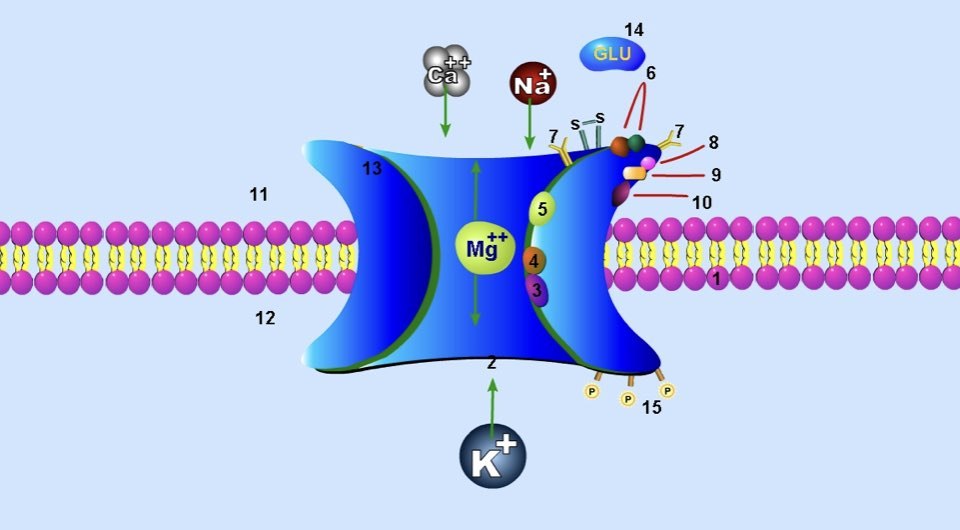
Researchers in the United States, at the University of California, San Diego, analyzed data from 1,025 Marines taking part in the Marine Resiliency Study II. Plasma samples were collected and psychiatric symptoms assessed one month before a seven-month deployment to Afghanistan, and again 4–6 months after the participants returned.
A total of 606 participants had experienced a traumatic brain injury at some point, while 419 had not. Some of the injuries occurred before the deployment, others during it. As expected, brain injury raised the risk of depression, PTSD and anxiety. But among those who sustained one, a pattern emerged: the higher the pre-deployment level of natural anti-NMDA receptor (NMDAR1) autoantibodies in plasma, the milder the depression and PTSD symptoms after the return. No such association was found for anxiety.
The effect was moderate but measurable. Participants in the top quartile for autoantibody levels had predicted PTSD and depression scale scores roughly 22% (about 4 points) and 25% (about 2 points) lower than the rest of those with brain injury, and they reported taking psychotropic medication less often.
In this study the autoantibody level stayed stable for at least a year; such antibodies are not rare and are found in roughly 5–10% of people. The authors suggest they may dampen glutamate excitotoxicity — the excessive neuronal excitation set off by injury — and thus act as a resilience factor.
The authors themselves list the limitations: the sample consisted of men, service members from a single military occupational specialty; the injuries and some of the symptoms were assessed by self-report; and the participants were generally healthy. Larger, longer studies in different groups are needed — along with a separate analysis of antibody classes.
Primary source: www.nature.com ↗