
On This Day: Leeuwenhoek Spotted Bacteria in His Own Dental Plaque
XORit Editorial · Sources, AI assistance and corrections
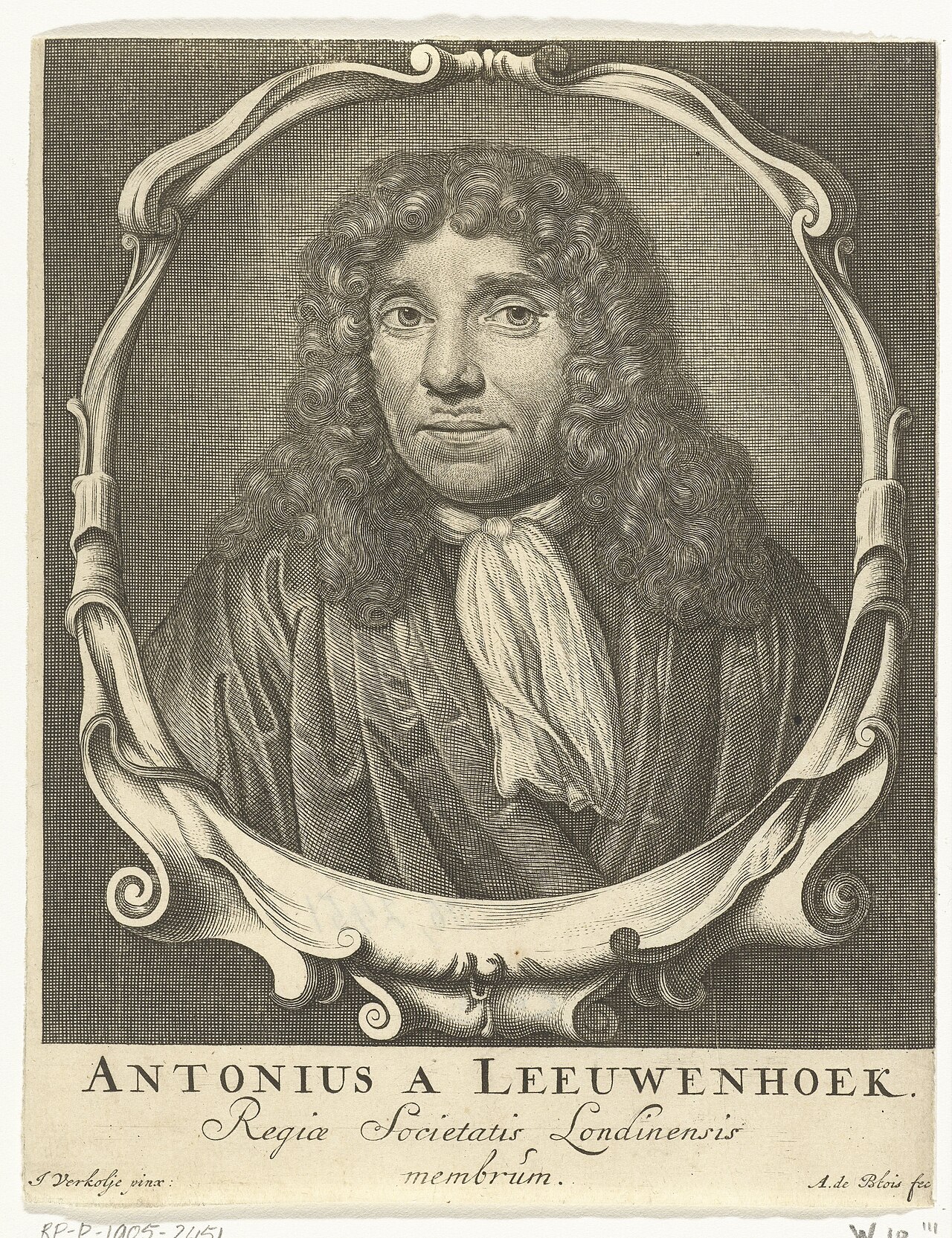
On September 17, 1683, Antonie van Leeuwenhoek sent the Royal Society in London letter L-135, addressed to Francis Aston. The main thing in it was the "tiny little animals" he had discovered in his own mouth, in dental plaque.
He did look after his teeth, incidentally: he rubbed them with salt in the mornings, rinsed his mouth with water, and after meals cleaned them with a toothpick and a cloth. But perfect cleanliness still proved impossible to achieve — white plaque remained between his teeth. So he deliberately went three days without cleaning his mouth, scraped the plaque from above his front teeth, mixed it with saliva and clean water, and saw living creatures under the microscope.
Leeuwenhoek also examined other people. He looked at the saliva of two women who kept up their hygiene, of an eight-year-old child, and of an old man who, by his account, had never washed his mouth in his life. In the other people's samples he saw nothing beyond what he had already found in his own.
The same letter also dealt with other things: the "little worms" in the nose and on the face, which in fact turned out to be bundles of hairs, and the top layer of the skin, which by his observations consisted of scales. The pores for the secretion of sweat he never managed to make out.
In London the letter was read aloud about six weeks later. Some members of the Society received the account with doubt, and it was decided to obtain a better microscope in order to check the observations. Separately, Leeuwenhoek noted that his little animals die if you add a drop or two of wine vinegar to the water.
The manuscript of seventeen sheets has survived in the Royal Society's archive, while the ten drawings attached to it have been lost. Fragments of the letter were printed in the Philosophical Transactions in 1684, and then again nine years later.
This particular letter is often called the first unambiguous description of bacteria. Leeuwenhoek himself remarked that there could be more living creatures in the plaque on teeth than people in the entire kingdom — and that they settle especially densely in those who never brush their teeth.
Image: Rijksmuseum CC0 · License

Translation editor: Ловушкин А.
Source: lensonleeuwenhoek.net ↗