
In Bolivia, a new cat species has been described for the first time in more than a century — the tilcayo
XORit Editorial · Sources, AI assistance and corrections
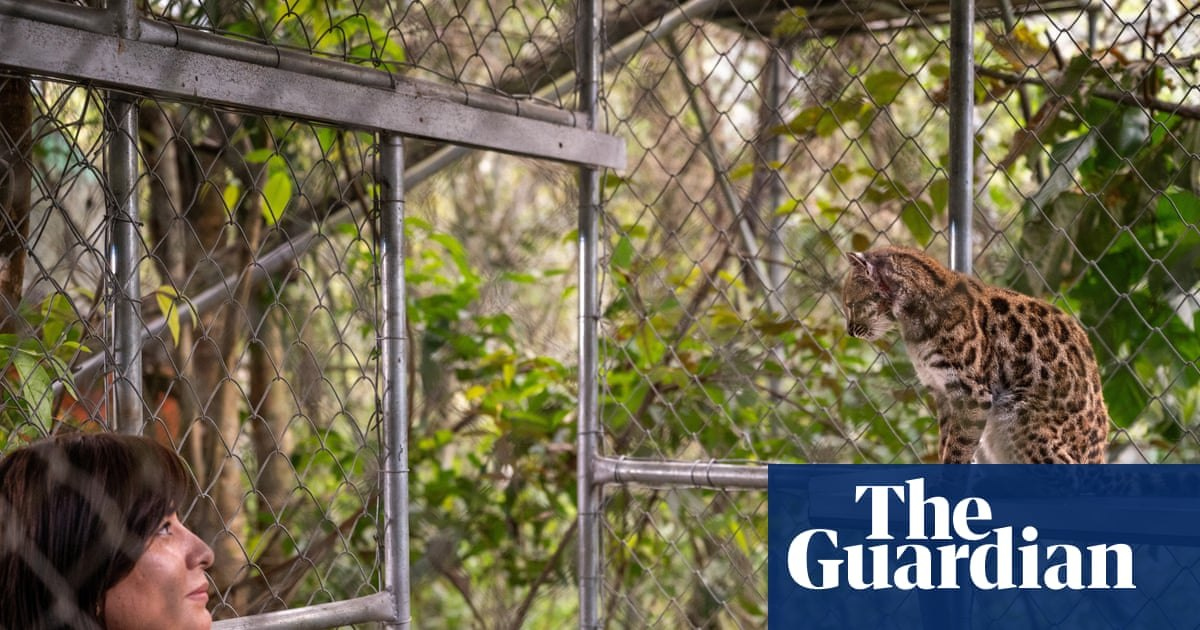
In the mountain forests of the Yungas in Bolivia, a new species of wild cat has been described — Leopardus tilcayo. No new living feline had been formally named and described for more than a century.
Local residents had long called this cat tilcayo, and the scientific name preserves that word. The animal is smaller than a domestic cat: about 46 centimetres long and roughly 1.4 kilograms. Its fur is light brown, with irregularly shaped rosettes — that is how Paola Nogales-Ascarrunz of National Geographic, one of the paper's authors, describes it.
The discovery came through genetics. Researchers analysed the DNA of 38 cats from several South American countries and found that tiger cats are five genetically distinct species, not one. The tilcayo lineage split from its relatives roughly 1.4 million years ago.
Little is known about the species' biology: researchers have data on only two living individuals and a few camera-trap recordings. One of them is a ten-year-old male living at the Senda Verde reserve; a local family used to keep him at home. Remains of small rodents were found in its scat, and camera-trap images point to nocturnal activity.
Tiger cats are 'cryptic' species: they are hard to tell apart by appearance, so genetics settled the question. The work is published in the journal Current Biology. The same paper describes a new subspecies from the Peruvian Yungas — Leopardus tigrinus antisuyo, named after Antisuyu, a region of the Inca Empire.
This discovery has a practical side. The IUCN Red List currently counts tiger cats as two vulnerable species with declining populations; an upcoming revision will assess the five lineages separately — and the tilcayo may then turn out to be endangered. The Yungas itself suffers from logging, agricultural expansion, fires and mining.
One of the paper's authors, Eduardo Eizirik, notes that there are still many undescribed species in the world, and they risk disappearing before we learn about them — even in as conspicuous a group as cats.
Translation editor: Ловушкин А.
Source: www.theguardian.com ↗