
Tesla launches paid Cybercab robotaxi in Austin
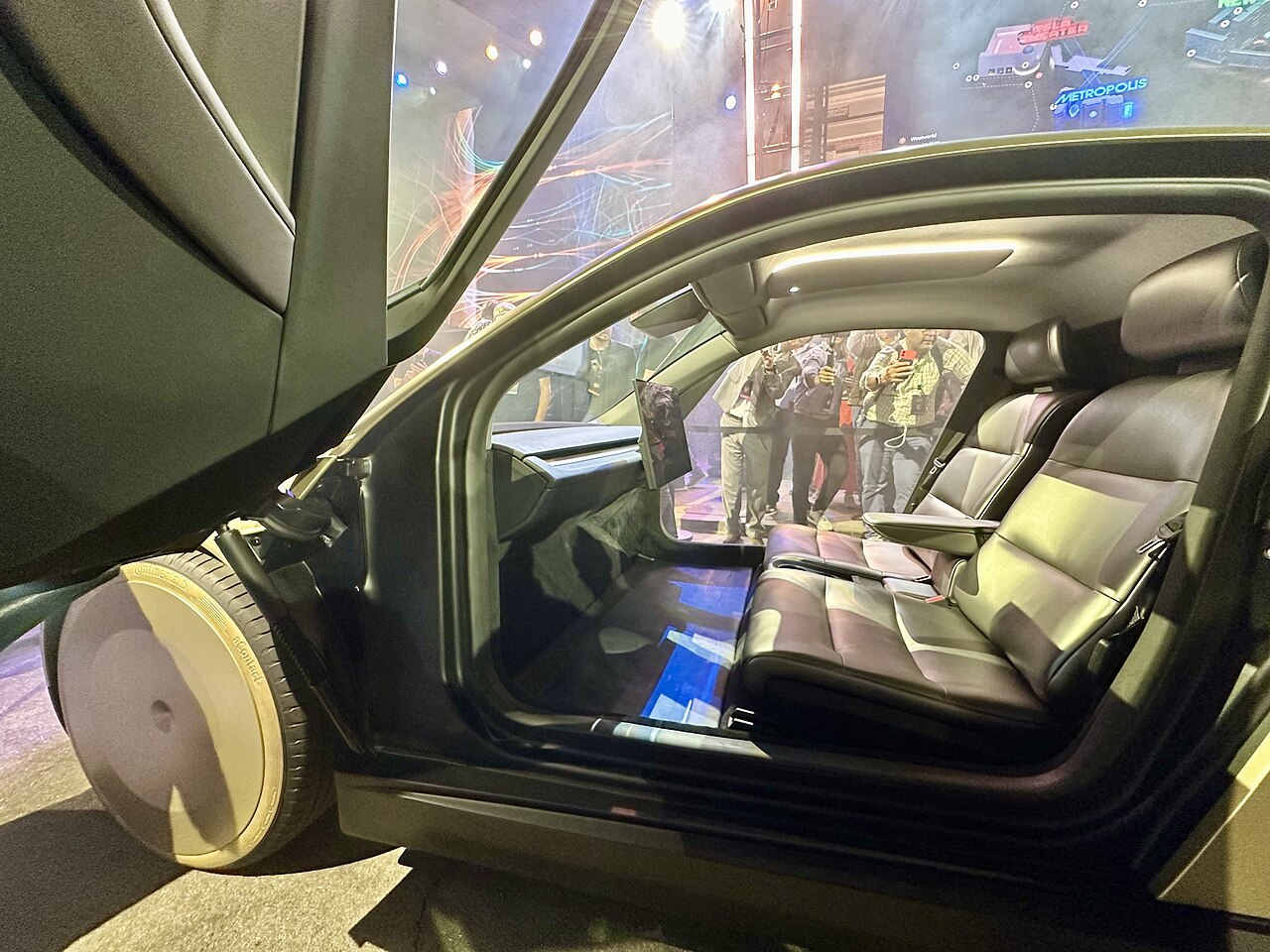
Tesla has begun commercial operation of the fully autonomous Cybercab taxi in Austin, Texas. On September 3, 2026, at a closed event at the ACL Live concert hall, top executives presented the production version of the two-seat electric vehicle, and the next day the cars hit the city streets as part of the existing Robotaxi service. Elon Musk did not attend the presentation, and the expected online broadcast did not take place.
Cybercab has no steering wheel, pedals, side mirrors, or rear window. Instead of lidar and radars used by competitors like Waymo, the car relies solely on cameras and Full Self-Driving software version 15 operating without human intervention. Doors open automatically, and accessibility features for people with disabilities are included, including Braille on buttons.
The manufacturer states that low production cost and maximum efficiency were priorities in the design. The car has approximately half as many parts as the Model 3 and is assembled using a so-called “unboxed process,” which Tesla says shortens the production line and speeds up output. The target operating cost per ride is below 30 cents per mile, significantly cheaper than current competitors’ robotaxi metrics, but this is still a company claim, not a confirmed market result.
The launch did not go unnoticed by regulators. The U.S. National Highway Traffic Safety Administration (NHTSA) has opened an investigation into Tesla’s self-certification that the Cybercab complies with federal safety standards, which were written for vehicles with drivers. At the same time, the agency is working on new rules for autonomous transportation. At the time of launch, about 45 Cybercabs were registered in Tesla’s fleet in Texas.
Production of the car started in February 2026 at the Gigafactory Texas near Austin, with formal launch beginning in April. By summer, hundreds of finished vehicles had accumulated near the plant awaiting deployment. The model is equipped with a battery of about 48 kWh, has a preliminary EPA range of approximately 293 miles (472 km), and a claimed efficiency of 165 Wh per mile, making it one of the most economical electric vehicles.
Cybercab charges only via DC through the NACS port; there is no AC slow charging support. For future taxi fleets, Tesla plans wireless inductive pads, but at launch the vehicles use regular Superchargers. The company is also considering selling Cybercab to third-party fleet operators, but the car, according to reports, is not intended for private buyers.
Experts note that Cybercab’s success will depend not only on technology but also on the regulatory environment and market readiness for fully autonomous rides. While Tesla is ahead of competitors in claimed cost efficiency, NHTSA’s review and the lack of public data on real-world accidents and system reliability leave questions. Nevertheless, launching paid rides in Austin is an important step in commercializing robotaxis and the first time a production vehicle without controls has hit public roads in the US.
Image: Image card · License

Primary source: en.wikipedia.org ↗